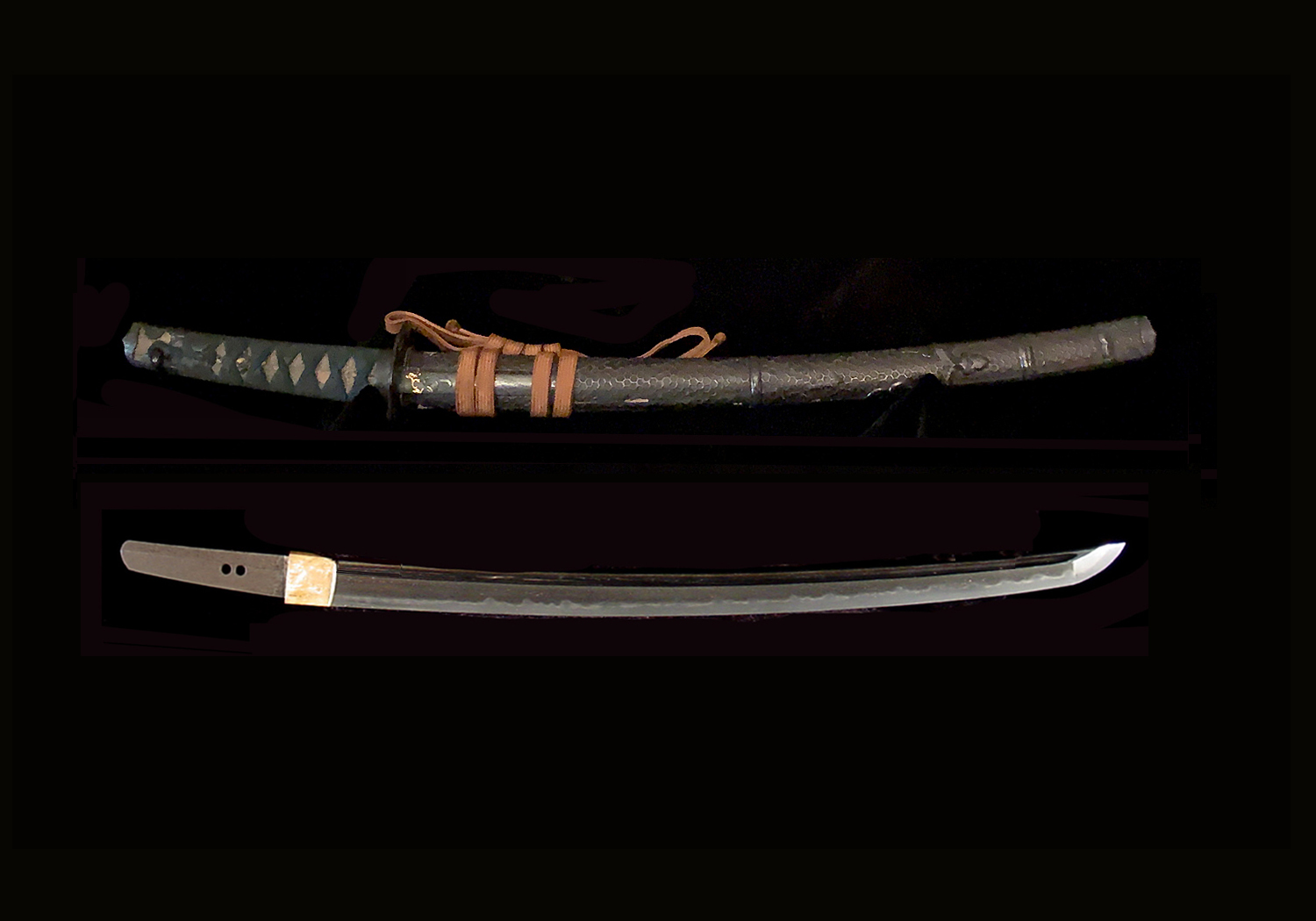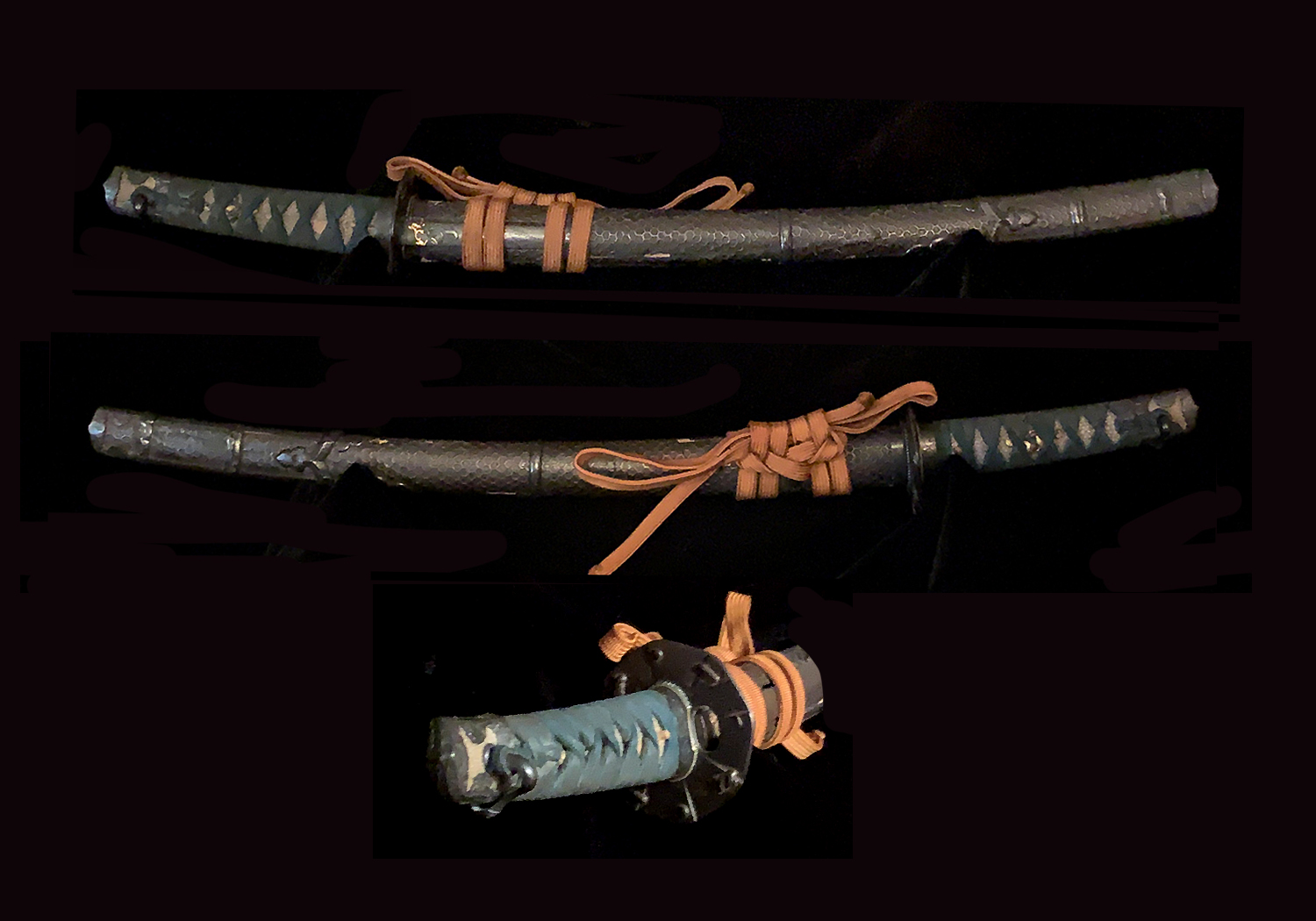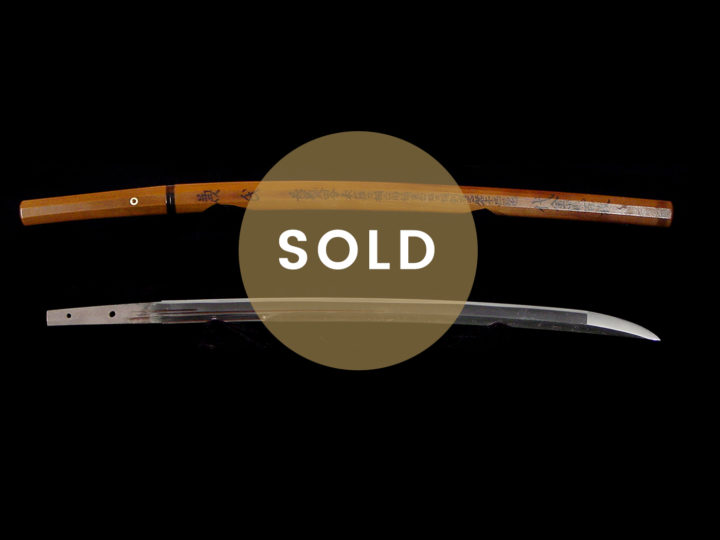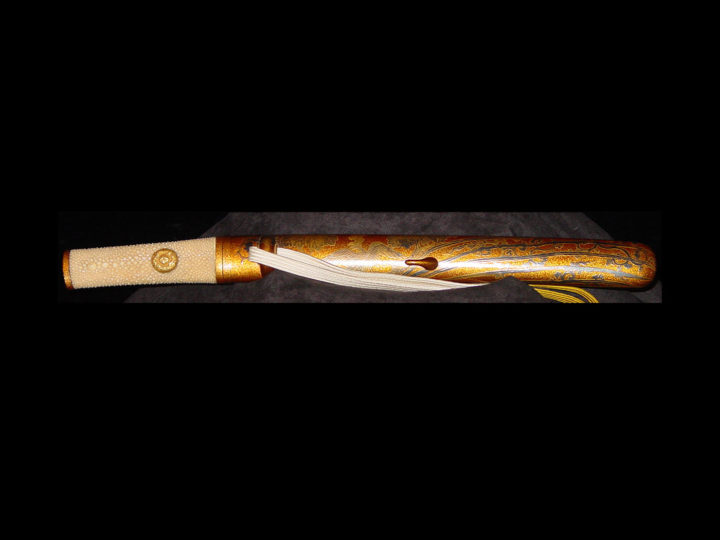


This is very nice daisho of interesting blades from two different sub-schools of the Mino tradition. The katana is unsigned and has been attributed by the NBTHK to the Mino Senjuin tradition (美濃千手院) and probably dates to the period from the mid 1400’s to mid 1500’s. The wakizashi is signed Noshu Seki Kanetaka (濃州関兼高), probably the third generation smith by this name who worked around 1624.
DAI
As noted, this katana is o-suriage mumei (shortened) with an attribution by the NBTHK to the Mino Senjuin school (美濃千手院). The Senjûin school (千手院) is acknowledged as the earliest and most elegant of the five Yamato schools. It is believed that Yukinobu (行信) was the founder of the Ko-Senjûin school (古千手院). He is said to have been active around the Ninpei Era (仁平) (1151-1154). Around the middle of the Nanbokuchô era (ca1350) some of the Yamato Senjuin smiths from the Nara area moved to Mino and continued making swords and creating the Mino Senjuin school. The school continued until near the end of the Muromachi era (ca.1560). Gradually over these many years, the characteristics of the Senjuin were lost and the swords began to show mixed traits, of mostly Mino and even some Bizen like characteristics.
Blade Description:
This katana exhibits the characteristics of the early to middle Muromachi era around 1450-1500. It measures 26 1/2 inches or 67 cm of cutting edge. The moto-haba (width at the base) measures 1.1 inches or 2.8 cm and the saki-haba (width at the point) measures 0.69 inches or 1.7 cm. The kasane (thickness of the blade) is 0.27 inches or 0.7 cm. The blade has a graceful koshi sori (curvature) of 0.80 inches or 2.0 cm.
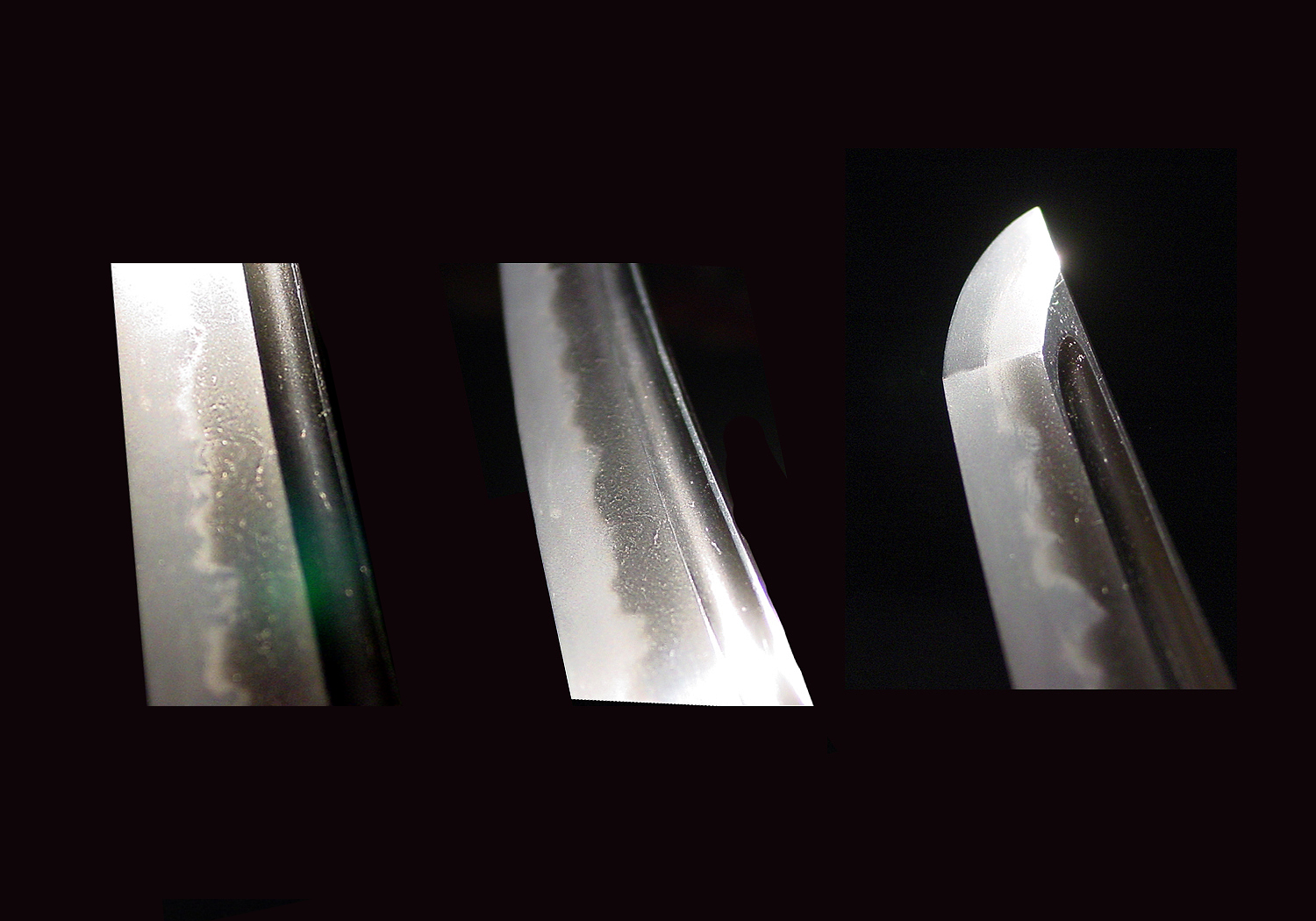
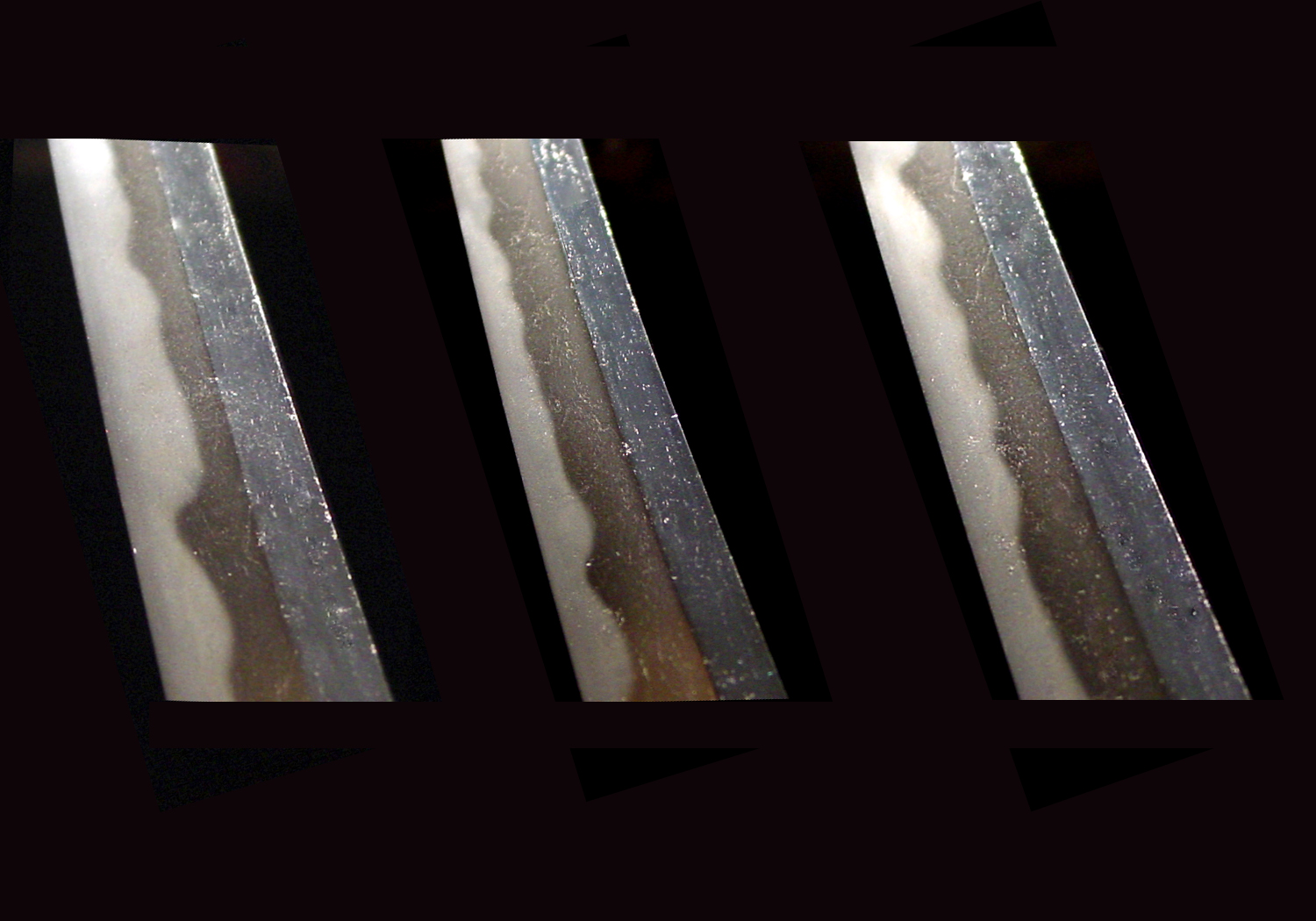
The hamon is made in notare-midare that is peaked in various areas which illustrates the incorporation of the Mino characteristic of togari-ba. While nie is present , it is not as profuse as would be found on older pure Yamato Senjuin blades. The jitetsu exhibits mokume-hada with masame-hada in the shinogi-ji.
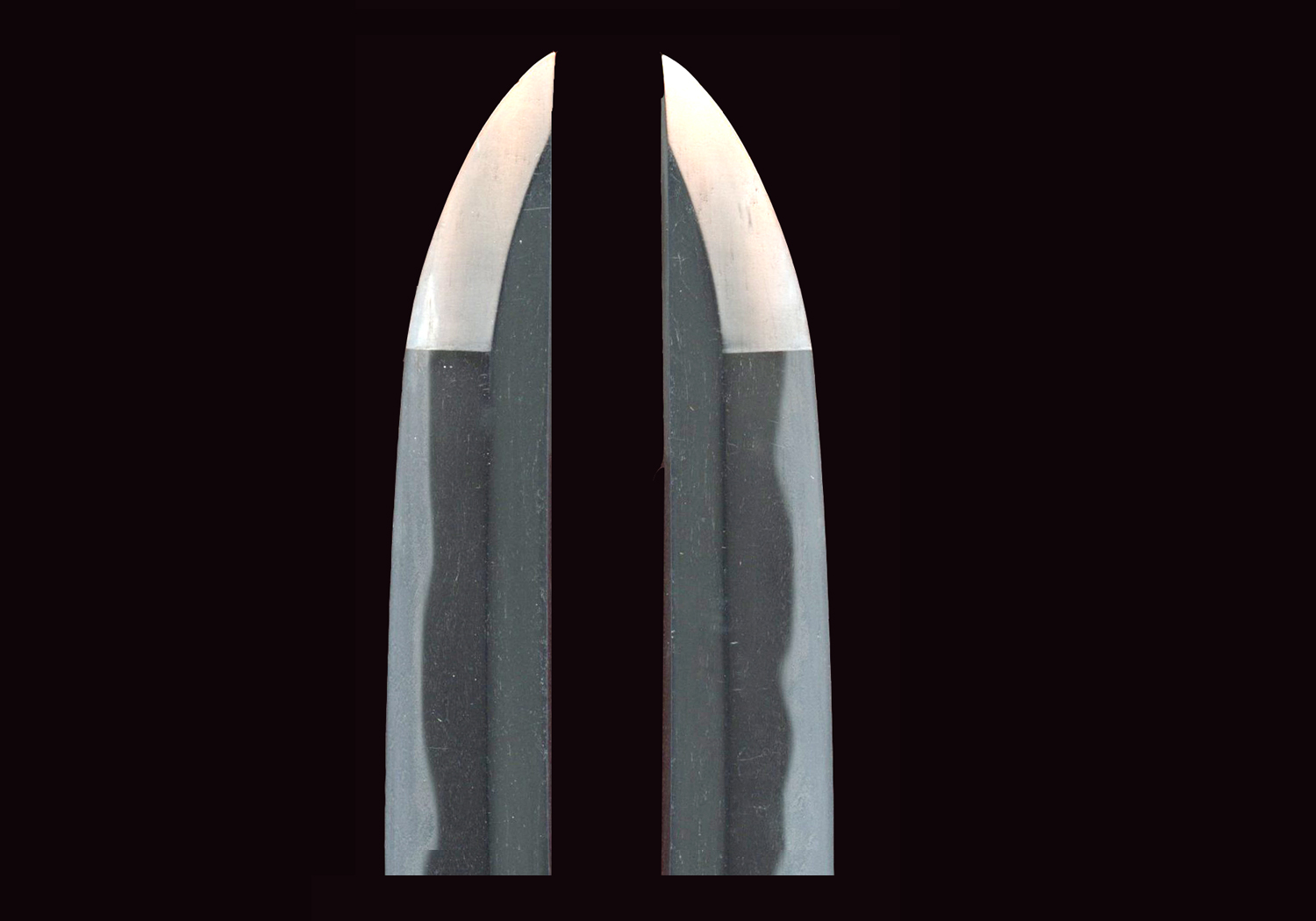
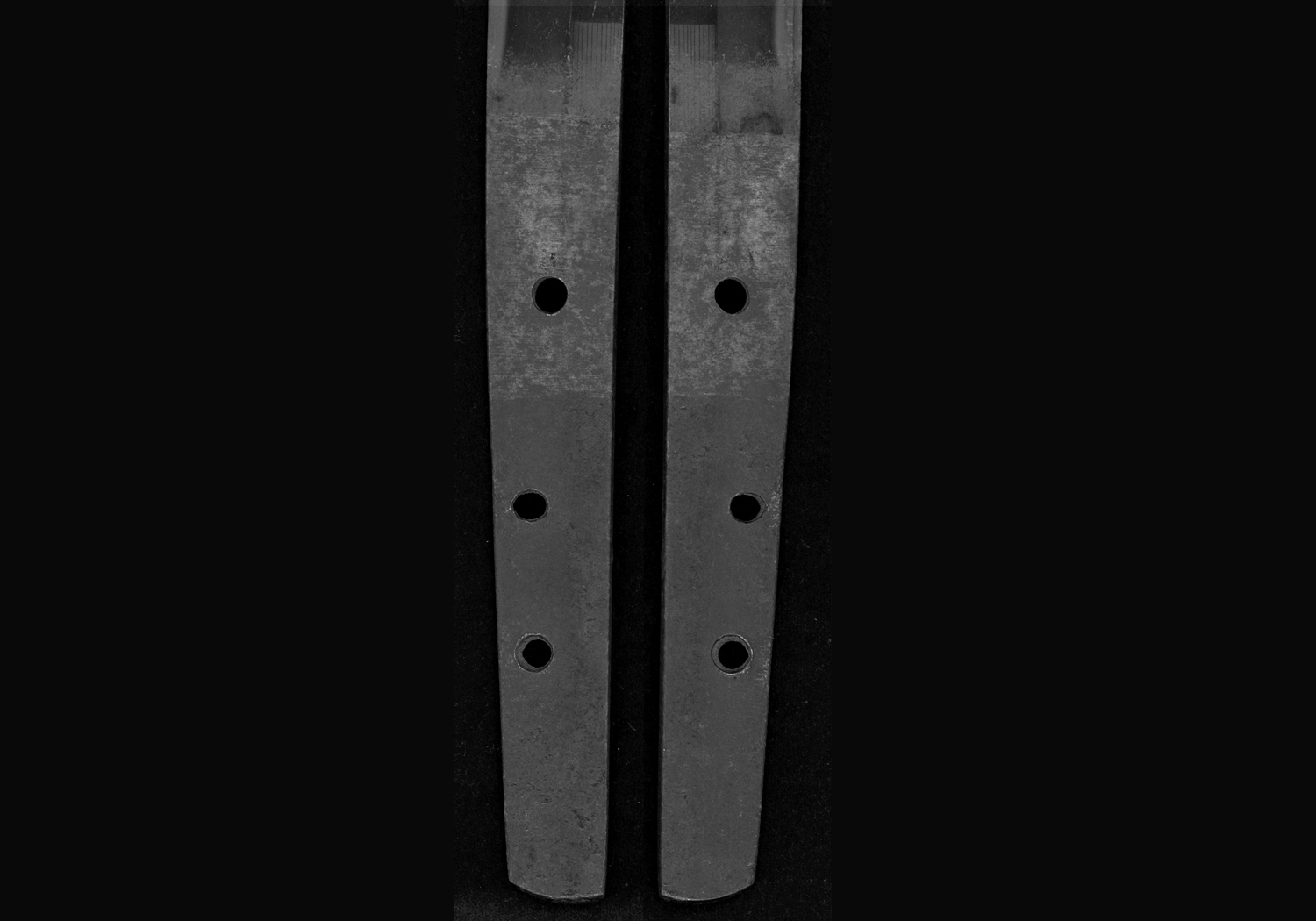
The bôshi is slightly elongated as is indicative of the Muromachi era. It contains a large round turnback with almost no kaeri. As noted, the tang o-suriage (greatly shortened) and has three mekugi ana (holes in the tang).
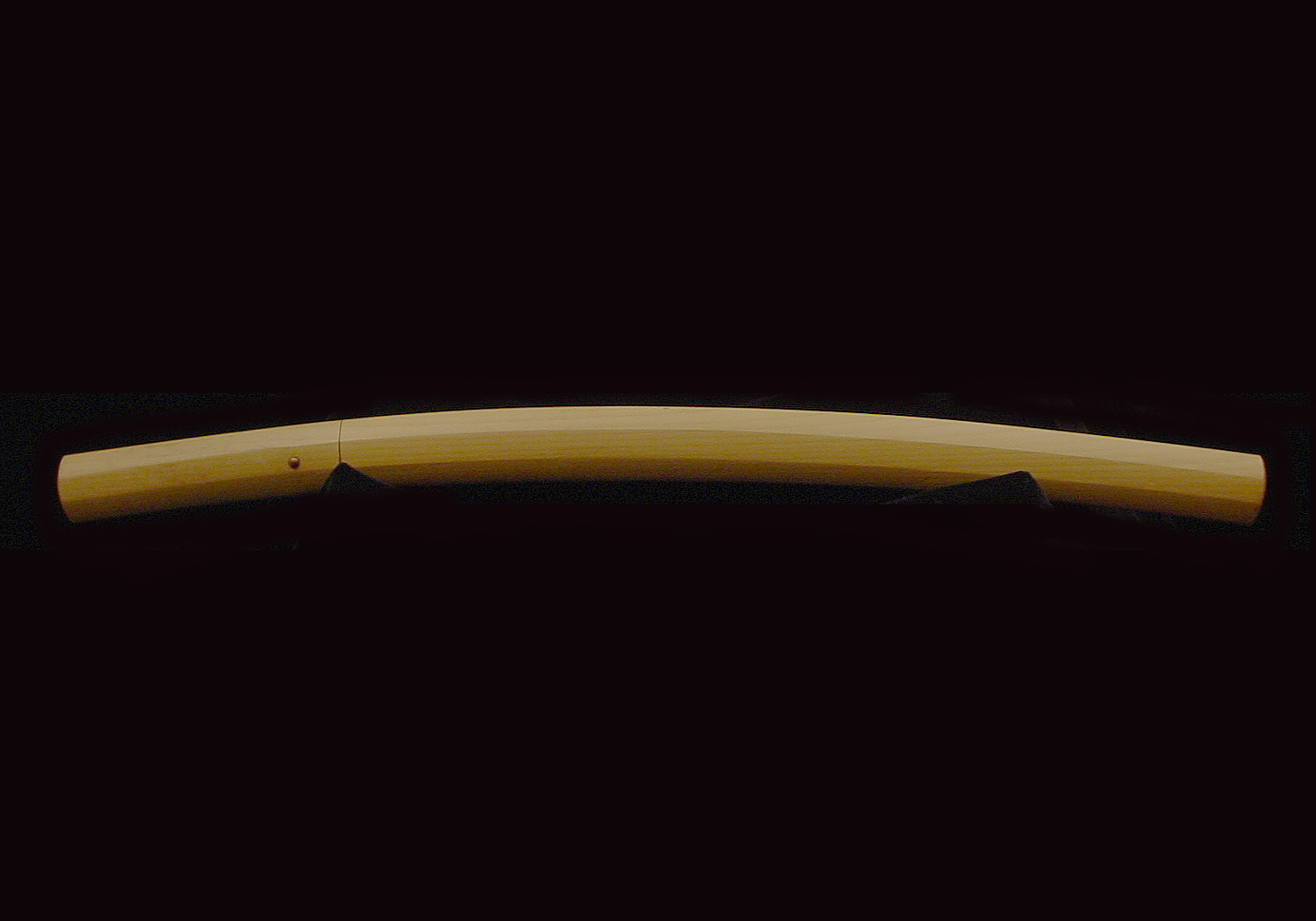
The blade is in very good overall polish. It comes in an excellent shirasaya with a one-piece gold wash textured habaki. There are only a few areas of very minor loose hada as one would expect with a blade of this age. This blade was made during a period of constant warfare and it has seen more than its share of battle use and has held up exceedingly well. This blade comes with NBTHK Hozon (worthy of preservation) papers attesting to the authenticity of the attribution and the quality of the blade.
Koshirae Description:
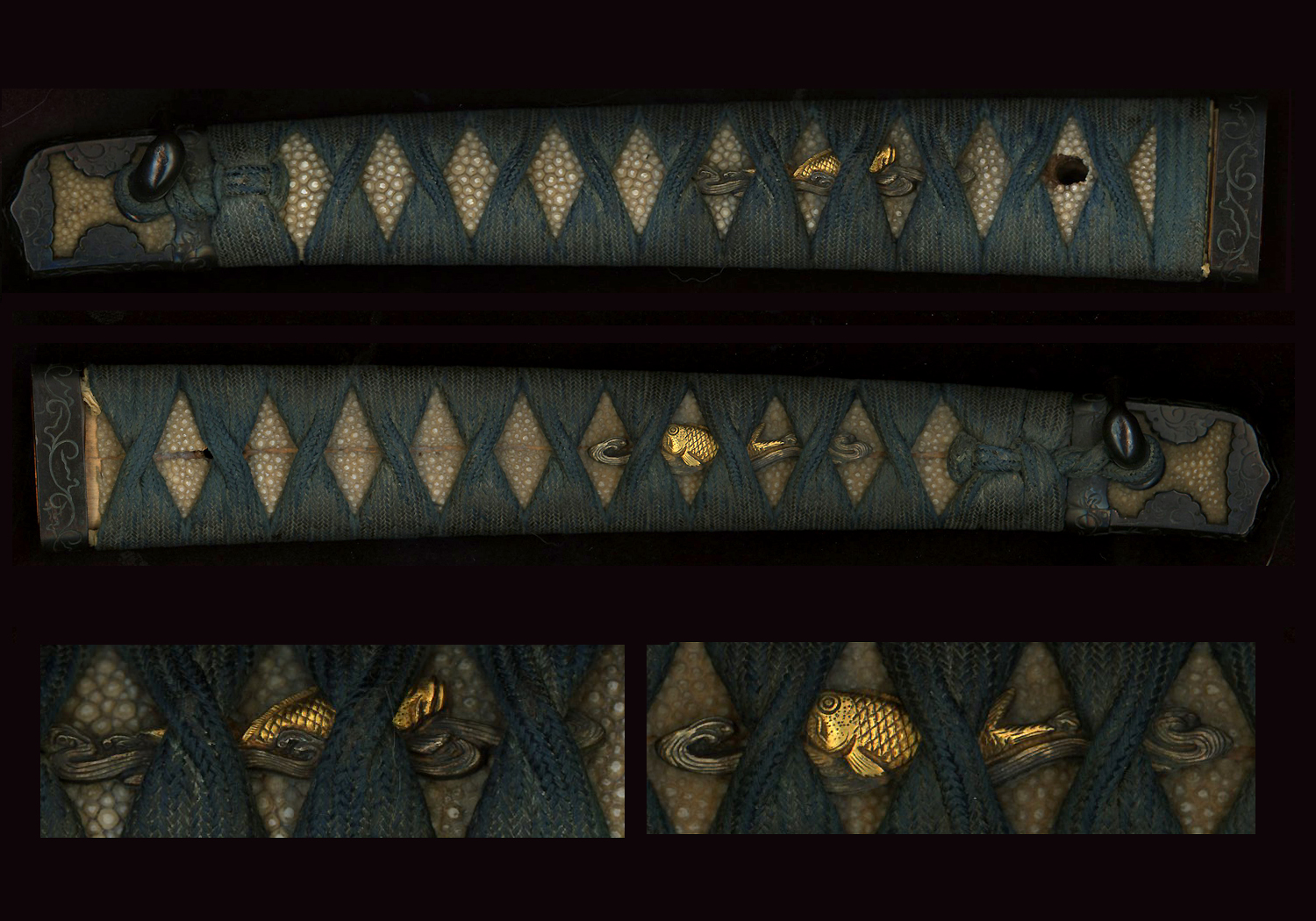
Style: The katana koshirae matches that of the wakizashi and is done in a handachi style.
Saya: The saya is lacquered in a brownish lacquer done in a raised tortoise shell pattern to match the wakizashi saya. There are a few minor losses here and there to the lacquer.
Tsuba: The tsuba is made of iron and is signed by its maker, Myochin Sadashige (明珍定茂). The tsuba is done in the style of eight armor plates joined with rivets and ito. This is a very typical and popular style of tsuba that was done on occasion by the Myochin armor makers. Sadashige was a member of the Sendai Myochin group and he worked in the mid-Edo period (ca 1750). He is rated as a Jo I armorer (level 1- upper class).
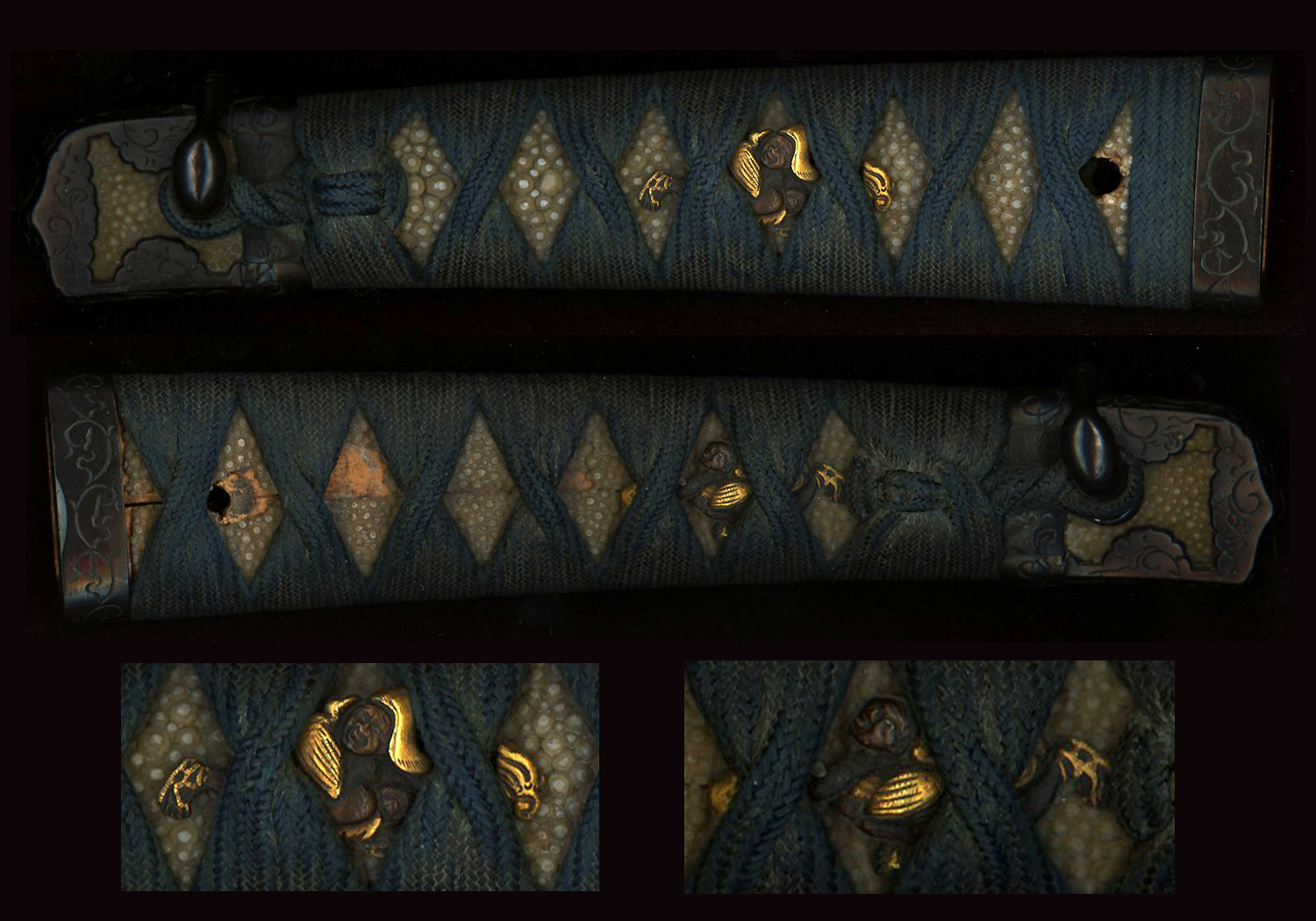
Kodogu: All of the kodogu (metal parts of the koshirae) with the exception of the tsuba and the menuki are done in shakudo which has been incised with a floral karakusa pattern. The quality of the shakudo is dark and lustrous indicating a high gold content in the metal.
Menuki: The menuki are made of gold, and silver. Each one is a golden carp swimming among the silver waves.








SHO
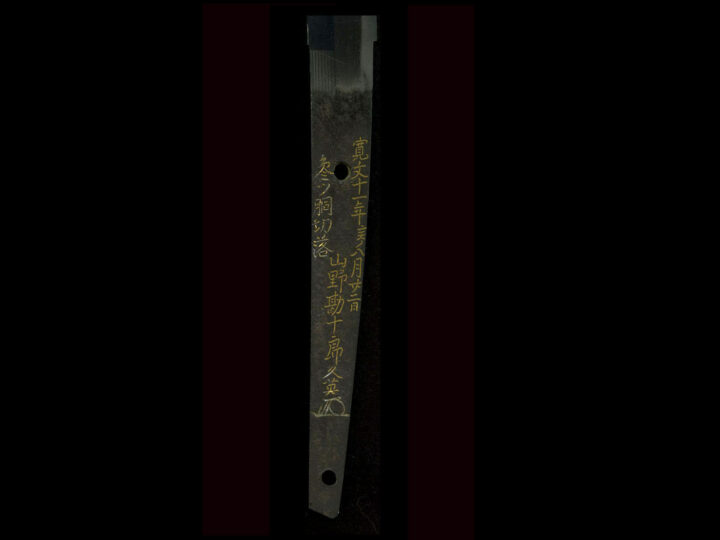
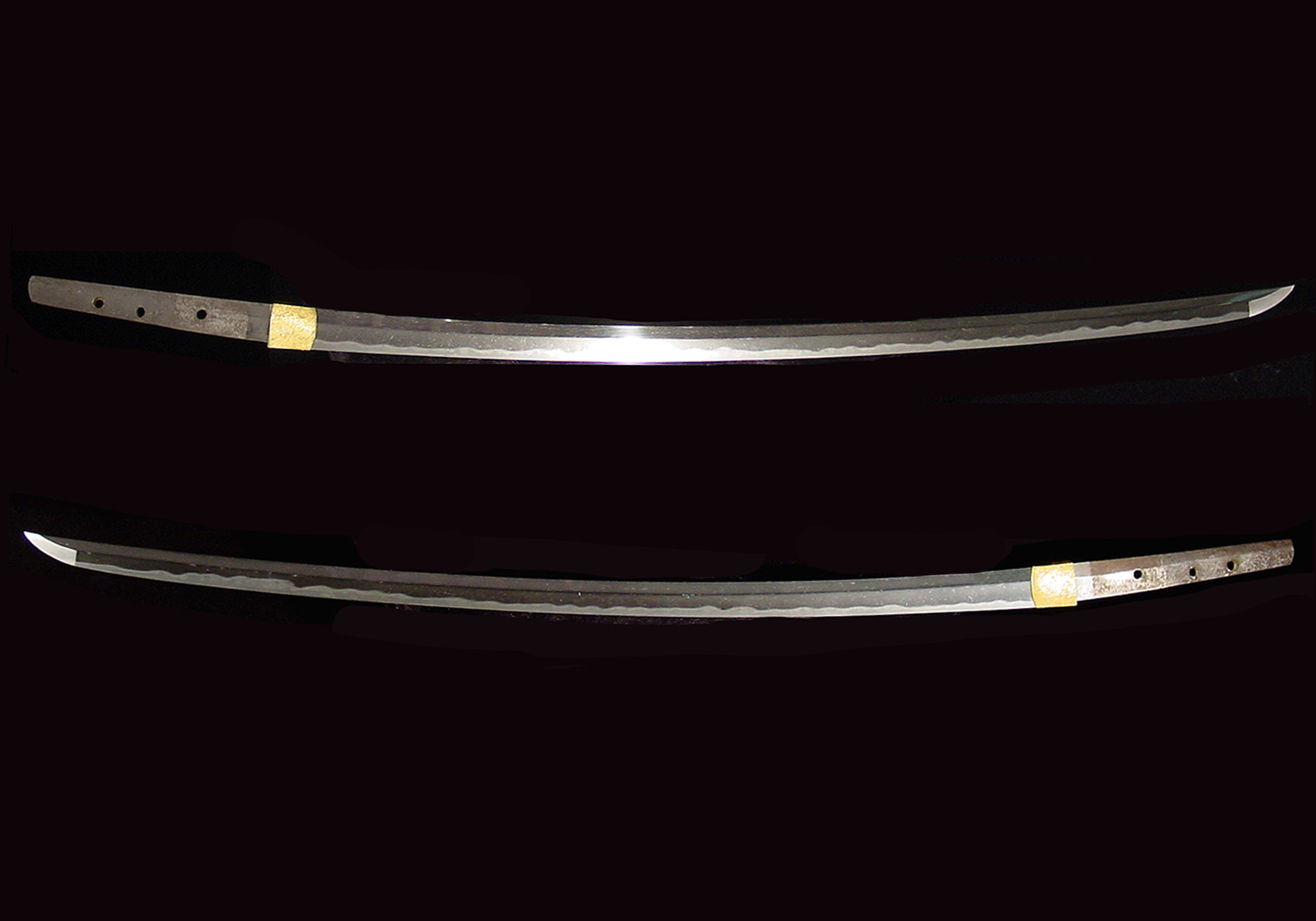
The wakizashi is signed Noshu Seki Kanetaka (濃州関兼高), probably the third generation smith by this name who worked around 1624.
Blade Description:
This wakizashi has a nagasa (cutting edge length) of 17.5inches or 44.2 cm. The moto-haba (width at the base) measures 1.07 inches or 2.7 cm and the saki-haba (width at the point) measures 0.74 inches or 1.9 cm. The kasane (thickness of the blade) is 0.24 inches or 0.6 cm. The blade has a graceful torii sori (curvature) of 0.47 inches or 1.9 cm. The nakago is ubu (unshortened) measuring 4.125 inches or 10.5 cm.
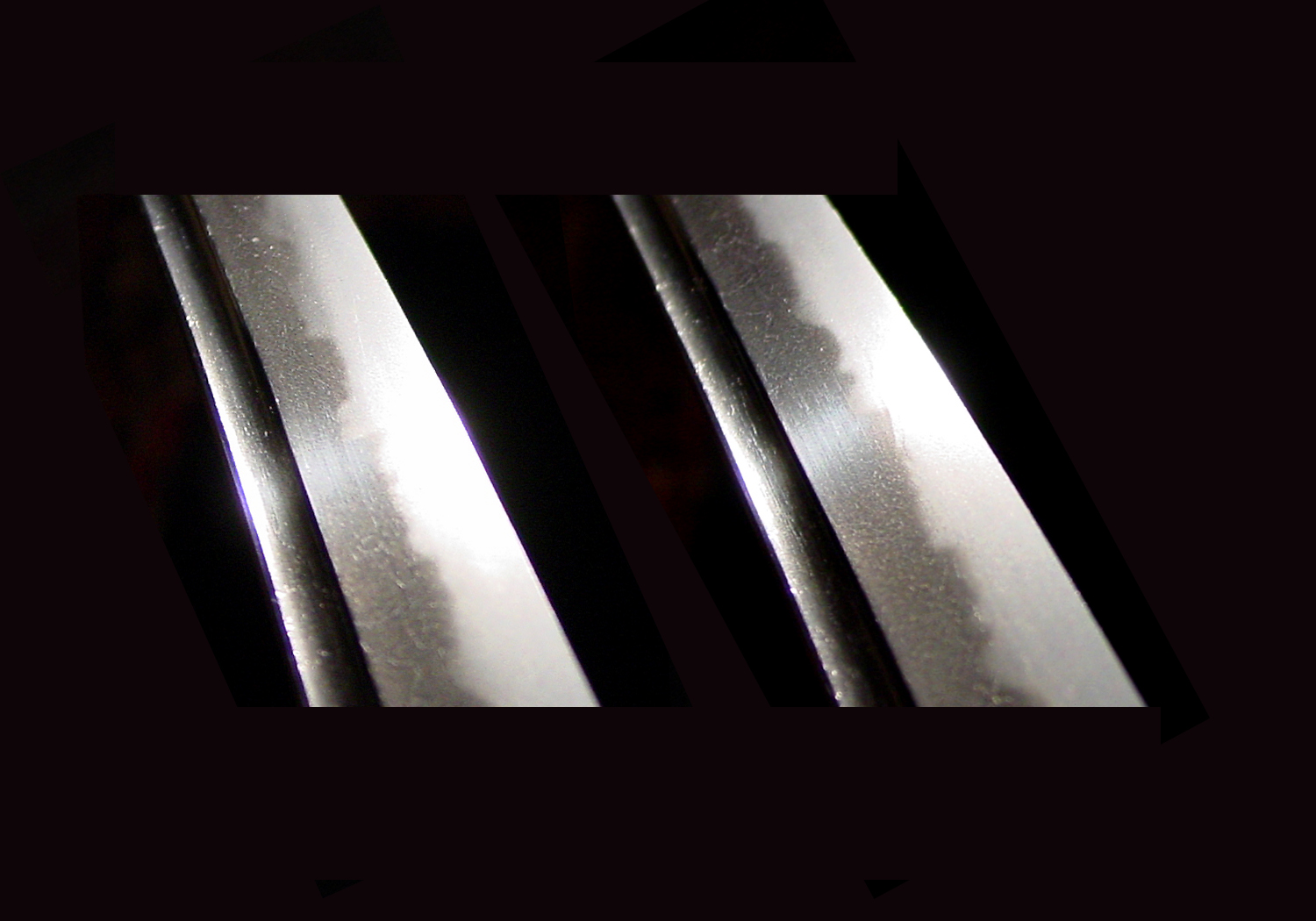
The jigane is itame (wood grain) with areas of mokume. The overall appearance of the hada is very beautiful and the blade’s polish is very good. There are no openings or problems with the blade. The hamon (temper-line) is midare (irregular) with many peaks and valleys. Togariba (pointed) areas are scattered throughout as is typical of Mino blades from this time period. There are bands of sunagashi (like swept sands) running along the habuchi (edge of the hamon) creating a beautiful and artistic effect.
The hamon of the bôshi (point) becomes more of a wide suguha as it crosses the yokote. It becomes slightly hakikake ending in a very small turnback on the ura and yakizumi on the omote. There is horimono in the form of bo-hi (single groove) on both sides of the blade ending under the habaki. As noted, the nakago is ubu (un-shortened) and there are two closely spaced mekugi ana.
The blade is in very good overall polish. It comes in an excellent shirasaya with a one-piece gold wash textured habaki. This blade comes with NBTHK Hozon papers (worthy of preservation) attesting to the validity of the signature and the quality of the blade.
Koshirae Description:
Style: The wakizashi koshirae matches that of the katana and is done in a handachi style.
Saya: The saya is lacquered in a brownish lacquer done in a raised tortoise shell pattern to match the katana saya. There are some minor losses here and there to the lacquer.
Tsuba: The tsuba is made of iron and is signed by its maker, Myochin Sadashige (明珍定茂). The tsuba is done in the style of eight armor plates joined with rivets and ito. This is a very typical and popular style of tsuba that was done on occasion by the Myochin armor makers. Sadashige was a member of the Sendai Myochin group and he worked in the mid-Edo period. He is rated as a Jo I armorer (level 1- upper class).
Kodogu: All of the kodogu (metal parts of the koshirae) with the exception of the tsuba and the menuki are done in shakudo which has been incised with a floral karakusa pattern. The quality of the shakudo is dark and lustrous indicating a high gold content in the metal.
Menuki: The menuki are made of shakudo, gold, and copper. Each one appears to be a man who is running holding a bird of some sort.
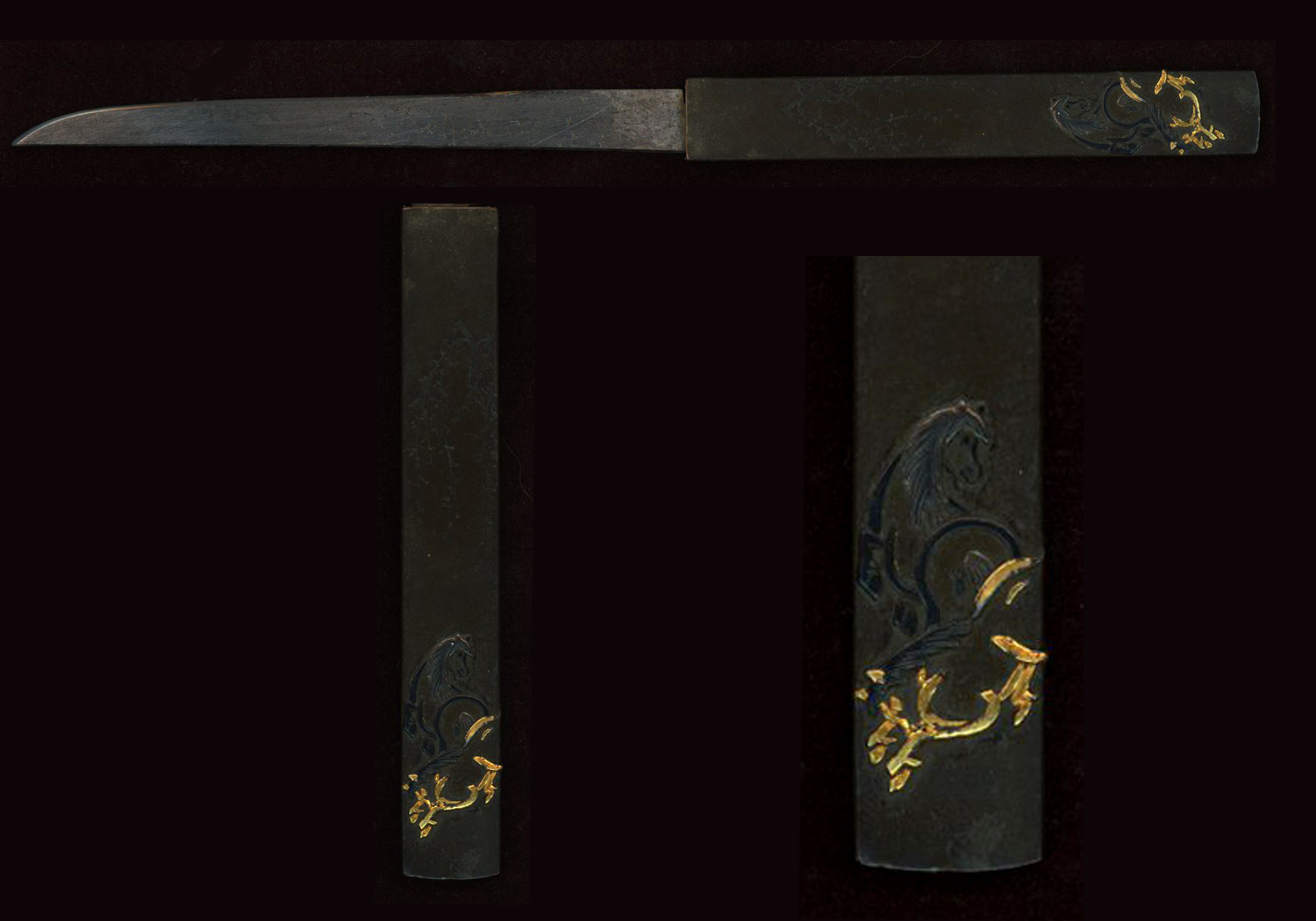
Kozuka: The kozuka is made of light shakudo that has a willow tree gently carved into the upper part. Near the bottom is a dark shakudo horse standing upon golden grasses under the tree. The kozuka is not signed but it appears to be of the Hamano school.
This is a true koshirae daisho with good blades being offered at an excellent price.
TOTAL DAISHO PRICE: $9,500.00