Eijô, (栄乗) born in the fifth year of Tenshô (1577), was the eldest son of Tokujô (徳乗). His childhood name was Kameichi (亀市) and his first name was Genshirô (源四郎) before he took over the hereditary family name of Shirôbei. For a civilian name he used Masamitsu (正光), Masafusa (正房), and Mitsumune (光宗). His father passed on the leadership of the Gotô family and school to him in Bunroku three (1594) and entered the priesthood at the relatively young age of 45. That was also the time when the father started to use the gô Tokujô. Eijô, who was only 18 years old at the time his father entered the priesthood, has thus far been using the name Masafusa. When he assumed leadership of the family, he changed his name to Shirôbei Masamitsu. Eijô died before his father, on the fourth day of the fourth month of the third year of Genna (1617), at the young age of 41. His eldest son Genshirô (源四郎), aka Jôkan (乗閑), had died young also, on the 20th day of the 7th month of the 16th year of Keichô (1611). His second son, Genshichirô Mitsushige (源七郎光重) lived with his mother in a residence called Matsunohana in Kawachi Province and moved up in the list of possible successors to become the next head of the Gotô. However, after Eijô’s early death it was Tokujô who headed the family, doing so until a family conference in Genna four (1618) decided that Tokujô’s second son, Kenjô (顕乗)s should become the 7th head of the main line seven years later. Kenjô in turn was ordered to take care of Mitsushige as he should become his successor as the 8th generation.
Eijô continued the workmanship of his father, Tokujô, unchanged, although his motifs do get a hint larger; some interpretations are even almost as large as those of Jôshin (the third generation). He too followed the trend of his time to more flamboyant work; he is known for making elaborate depictions of warriors and figures.
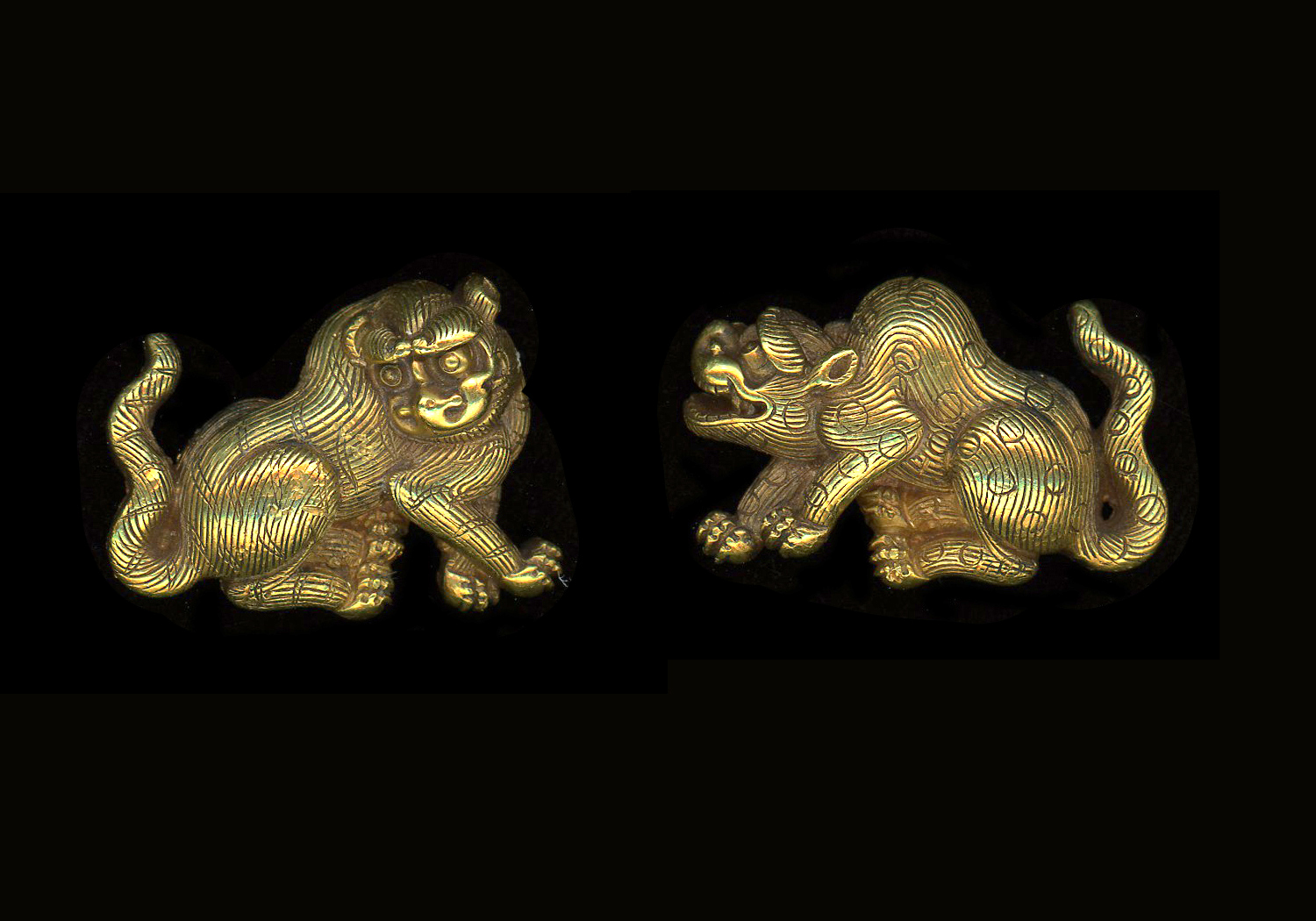
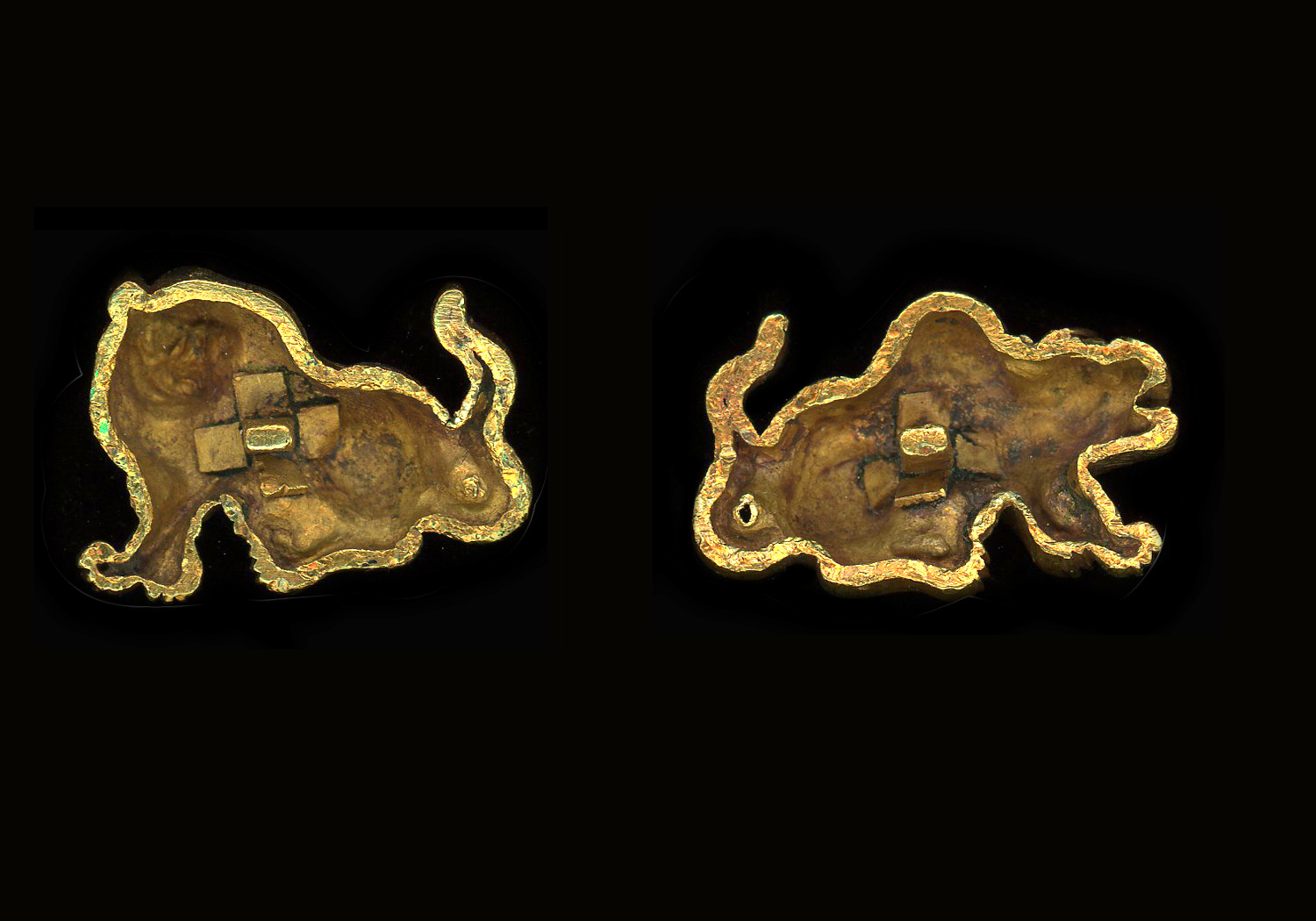
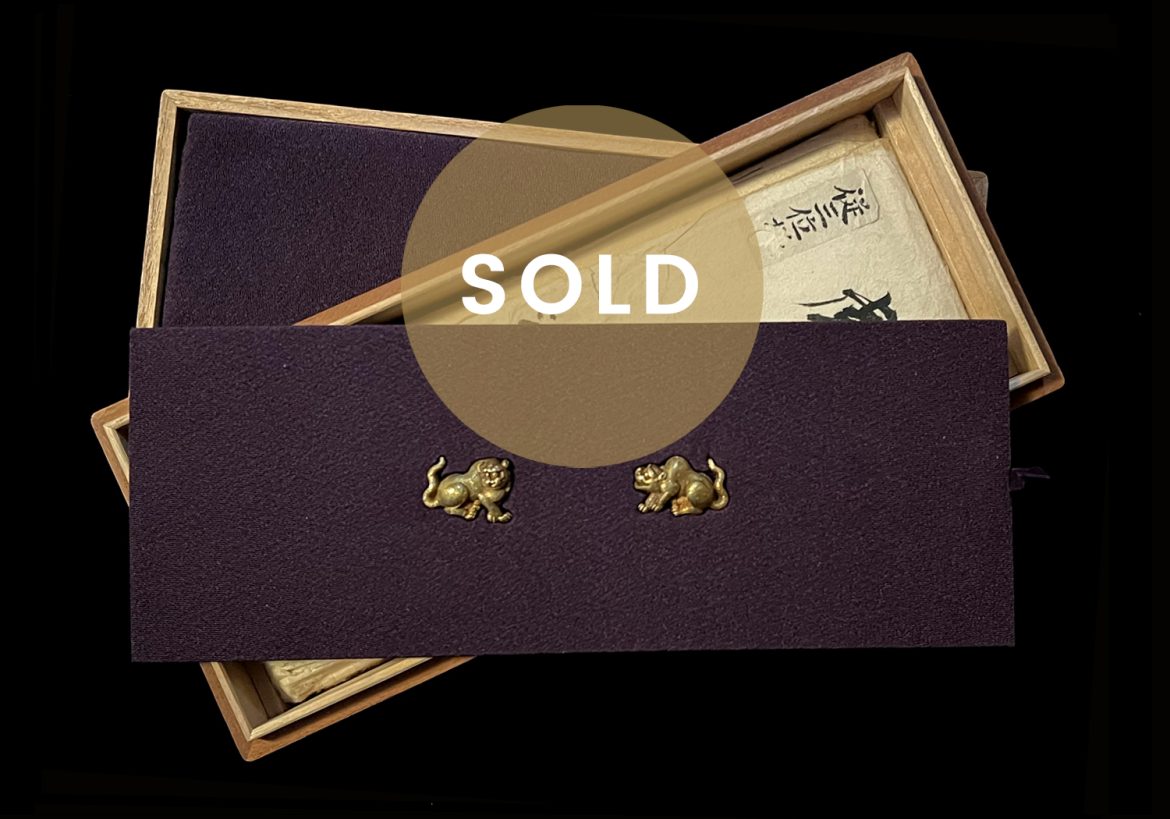
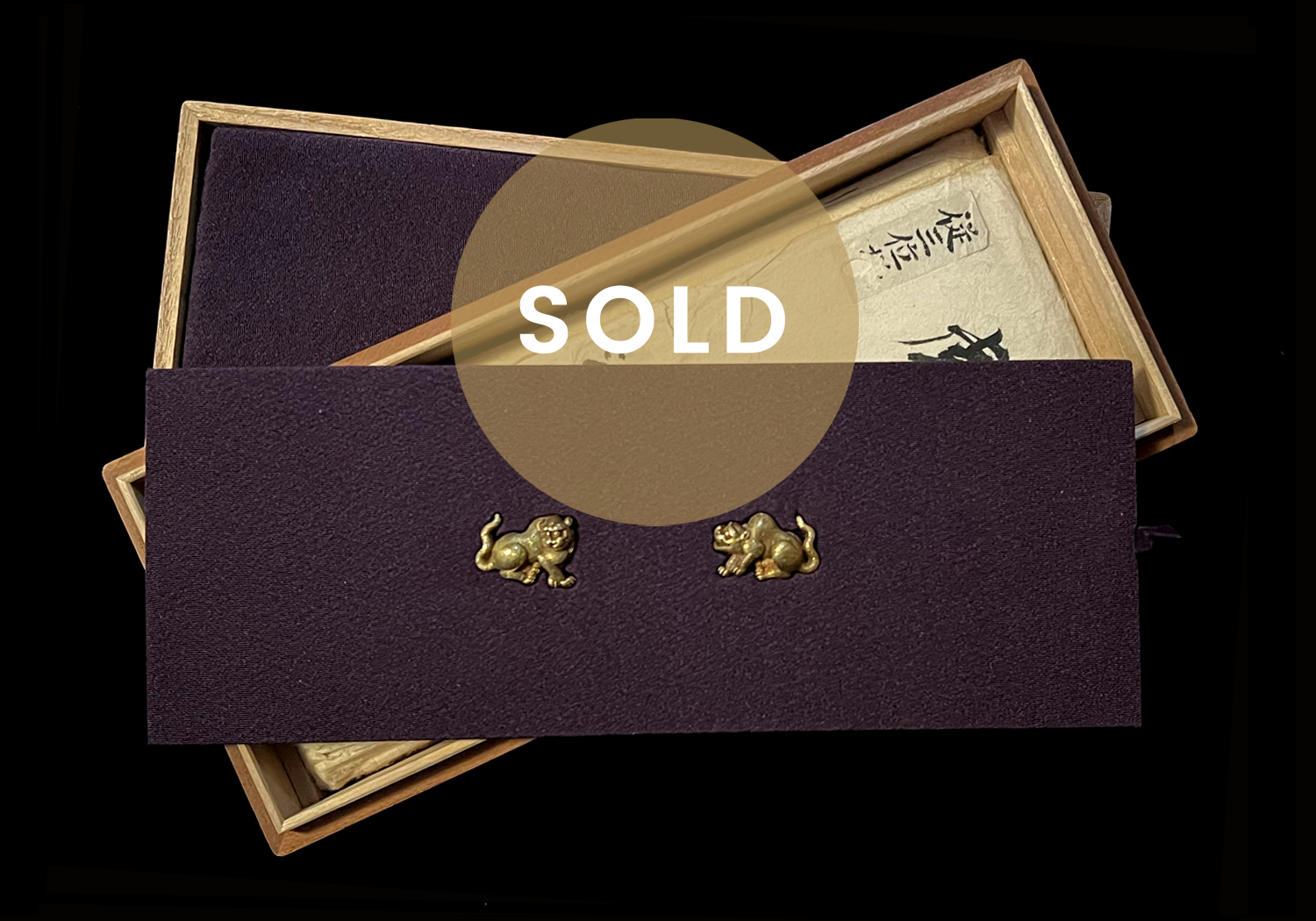
Nihonto.com is pleased to a lovely pair of solid gold menuki attributed to the work of Eijô. These menuki depict a tiger and a leopard in exquisite detail. The tiger measures 0.80 inches or 2.04 cm in length and 0.65 inches or 1.65 cm in height. The leopard measures 0.90 inches or 2.28 cm in length and 0.60 inches or 1.52 cm in height.
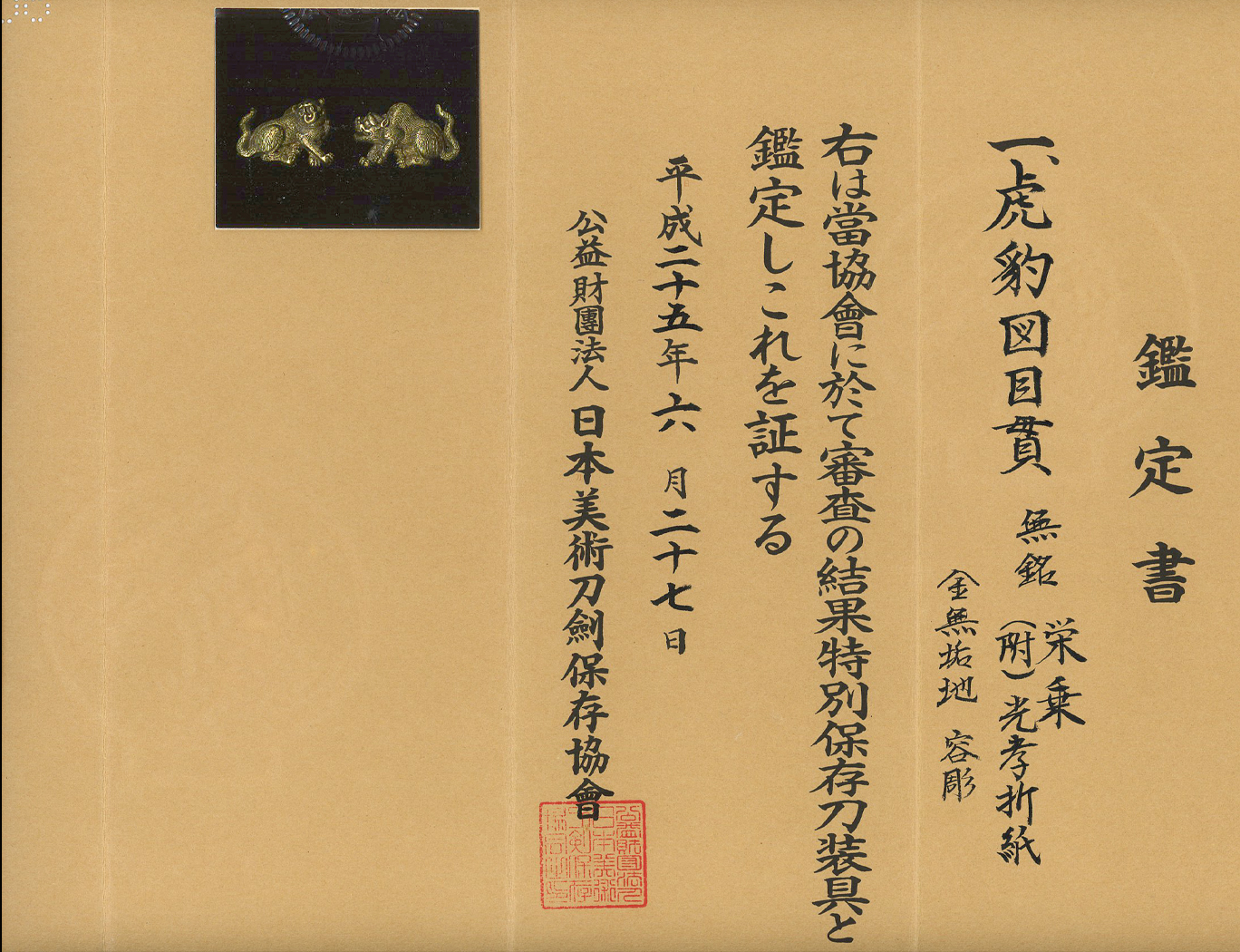
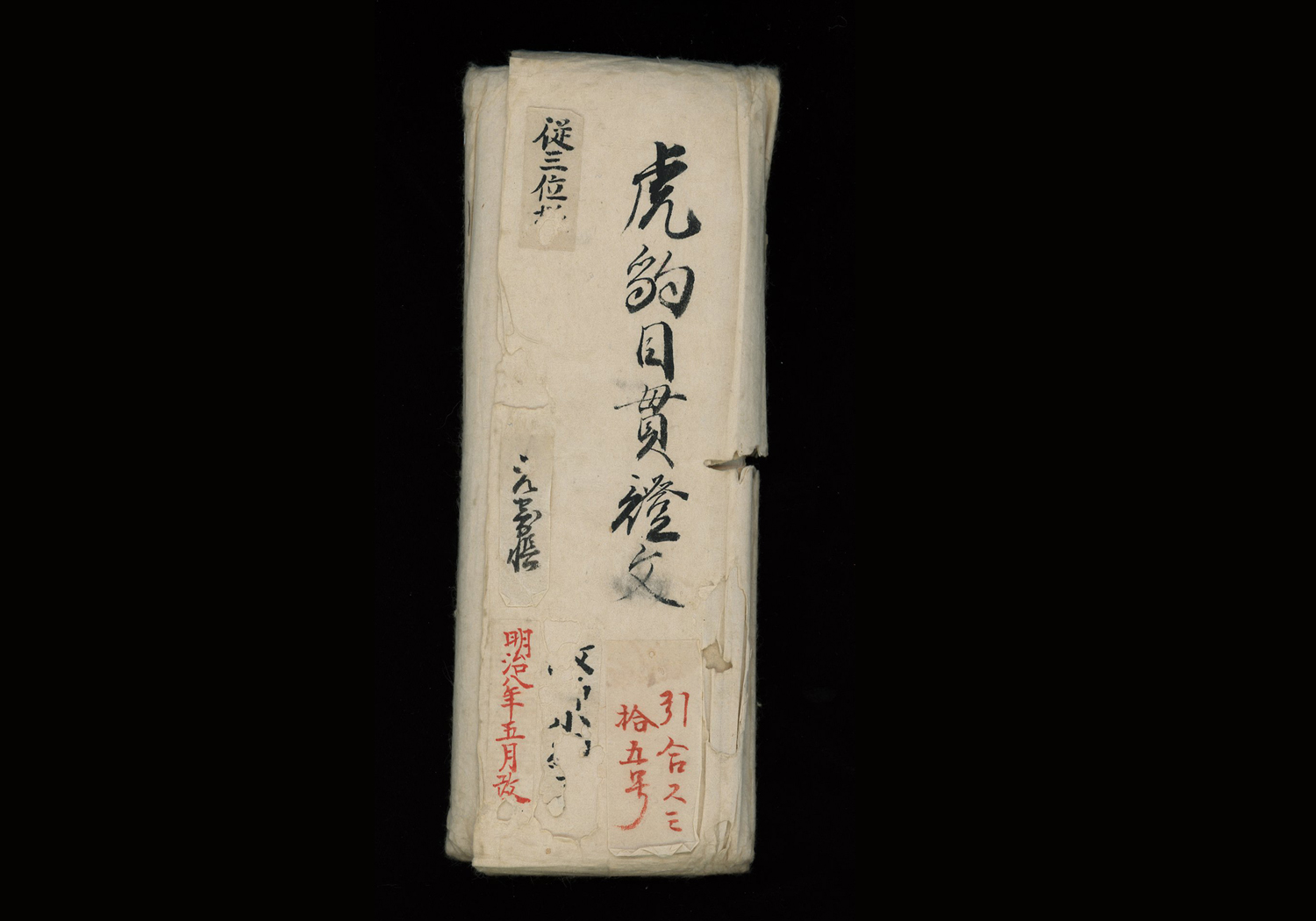
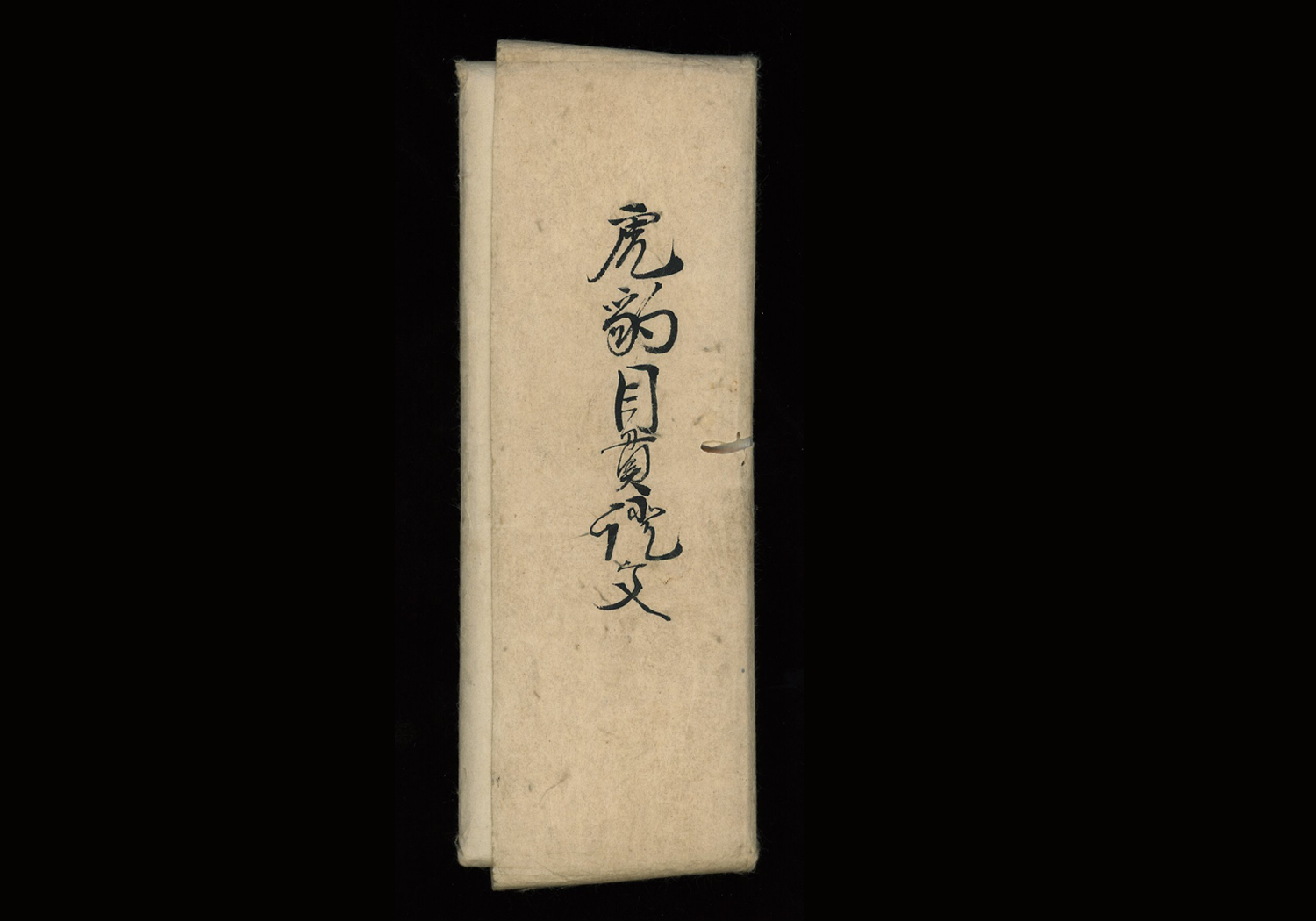
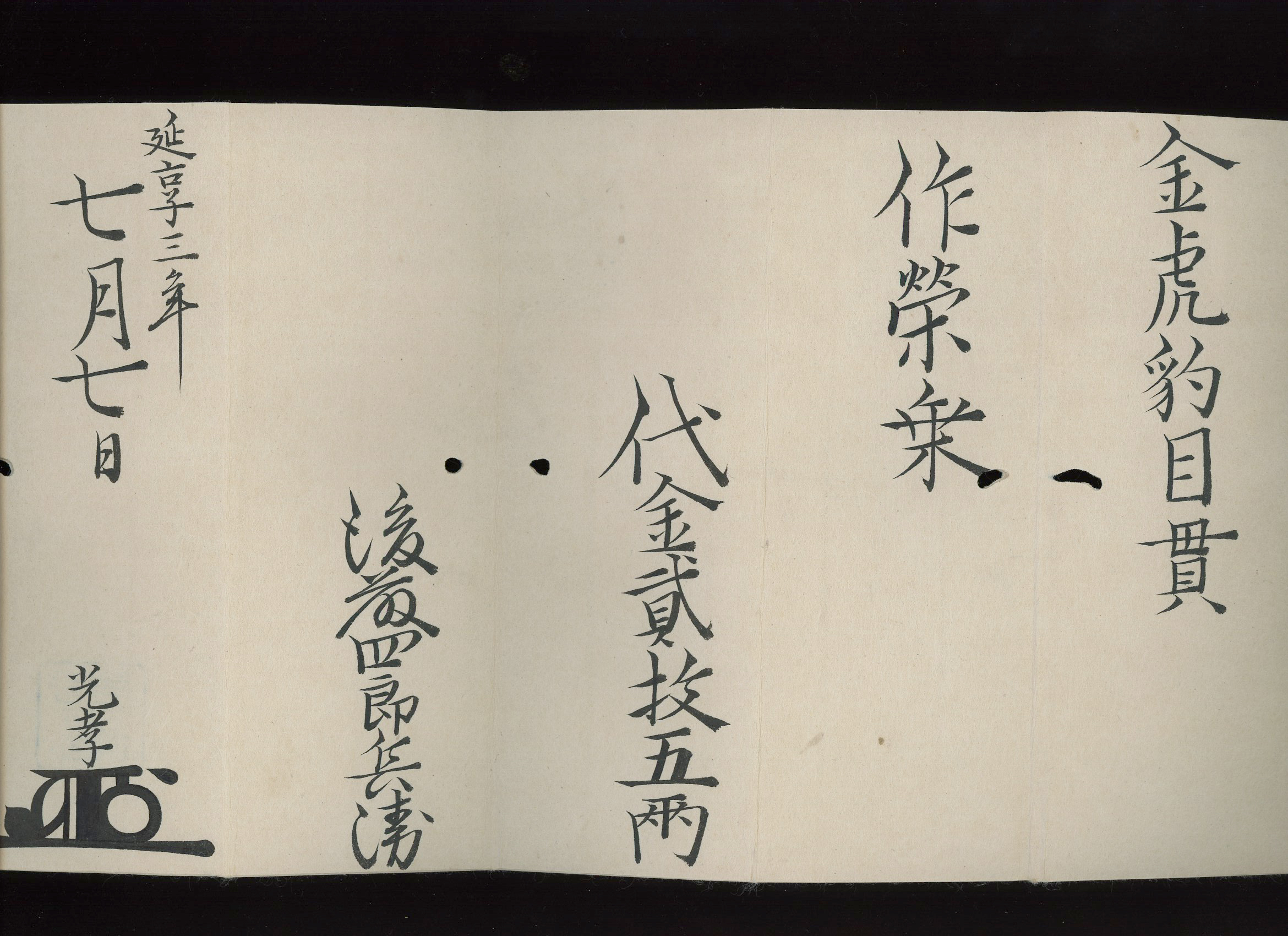
They are accompanied by an original origami (certificate of appraisal) done in the third year of Enkyo (1746) by Gotô Mitsutaka and again re-certified by an appraiser in the 8th year of the Meiji Period (1875). This set is also accompanied by a Tokubetsu Hozon Kodogu further attesting to their condition and authenticity.
SOLD