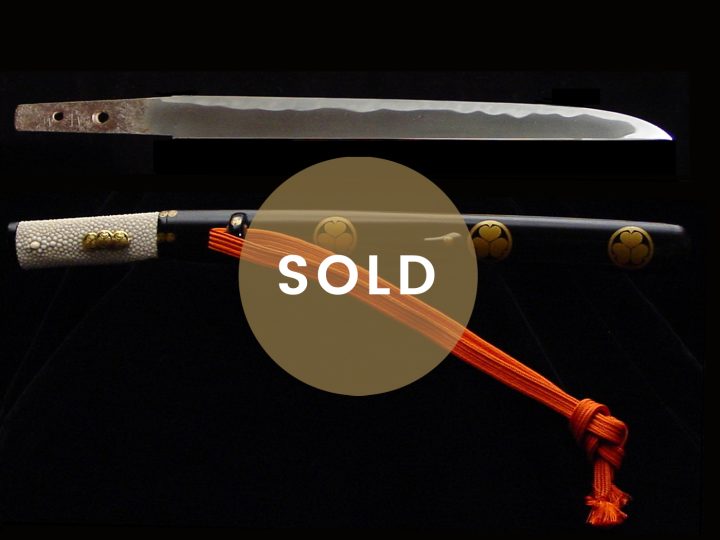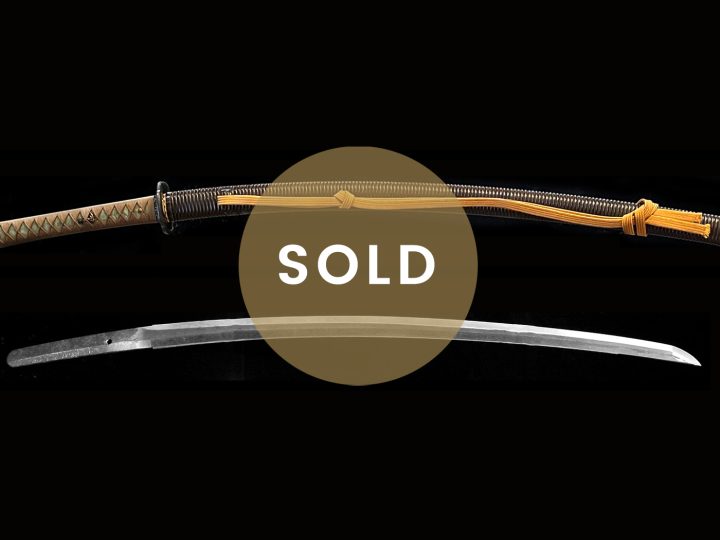


This is a Nanbokuchô era tantô attributed to the Echigo smith Yamamura Yasunobu (山村安信). Yasunobu worked in Echigo Province around the Kakei era (嘉慶-1387) and during the Oei era (応永-1394). This was at the end of the Nanbokuchô era, just before the beginning of the Muromachi era. He was the son of the Echigo smith, Masanobu (正信) and also a student of Nobukuni (信国). The Yamamura sword smiths were said to have been bushi (Samurai) for generations who also worked as swordsmiths. He is said to have succeeded to the name Masanobu (正信) and also to have signed as Nobukuni (信国).
This sword is a wonderful example of a late Nanbokuchô tantô. It has a nagasa (cutting edge) of 11 5/16 inches or 28.7 cm. It has a hira-zukuri sugata (no ridge line) and is without grooves. This means that it has retained its original shape and makes it an even more precious example of a sword that is about 650 years old.
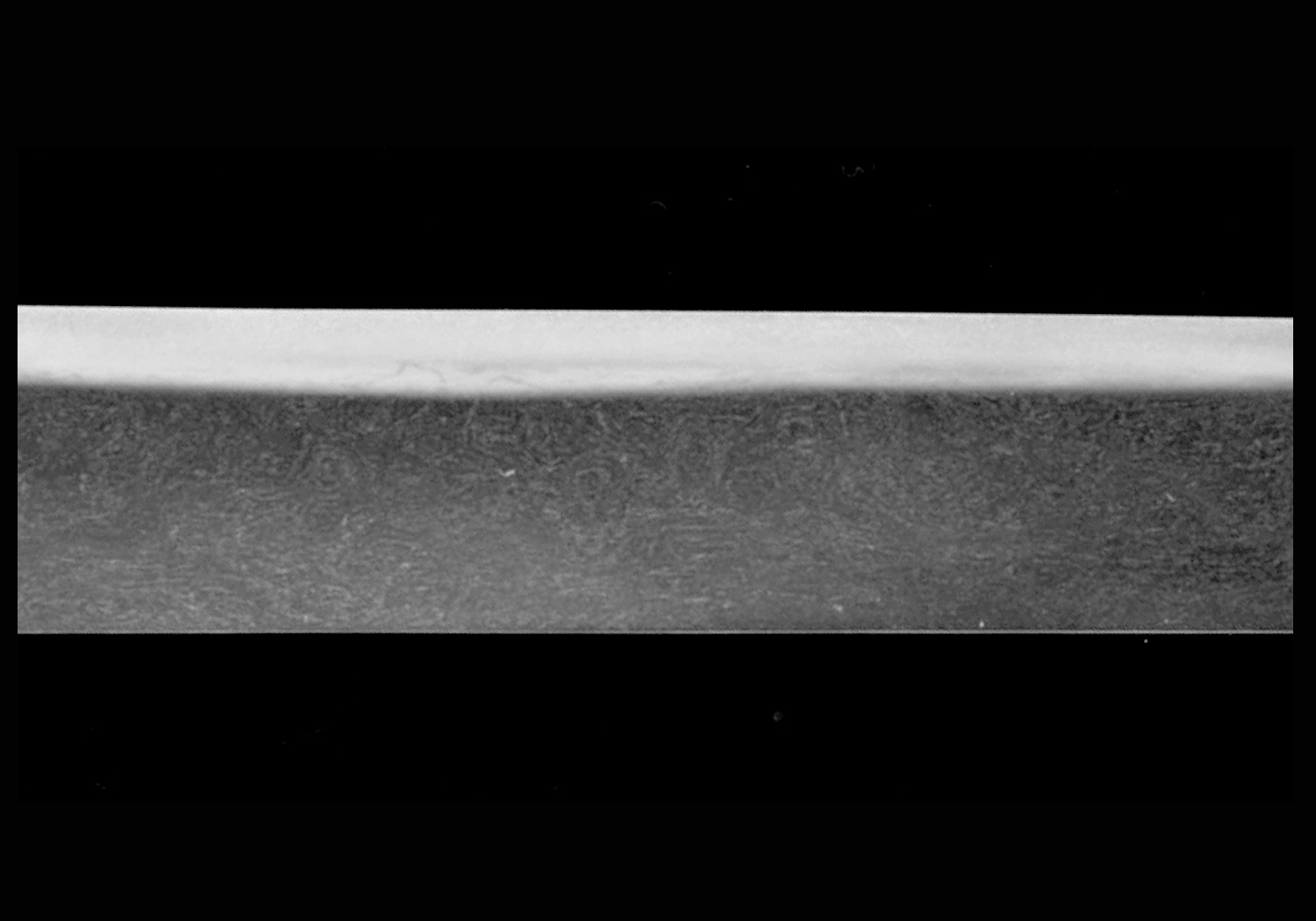
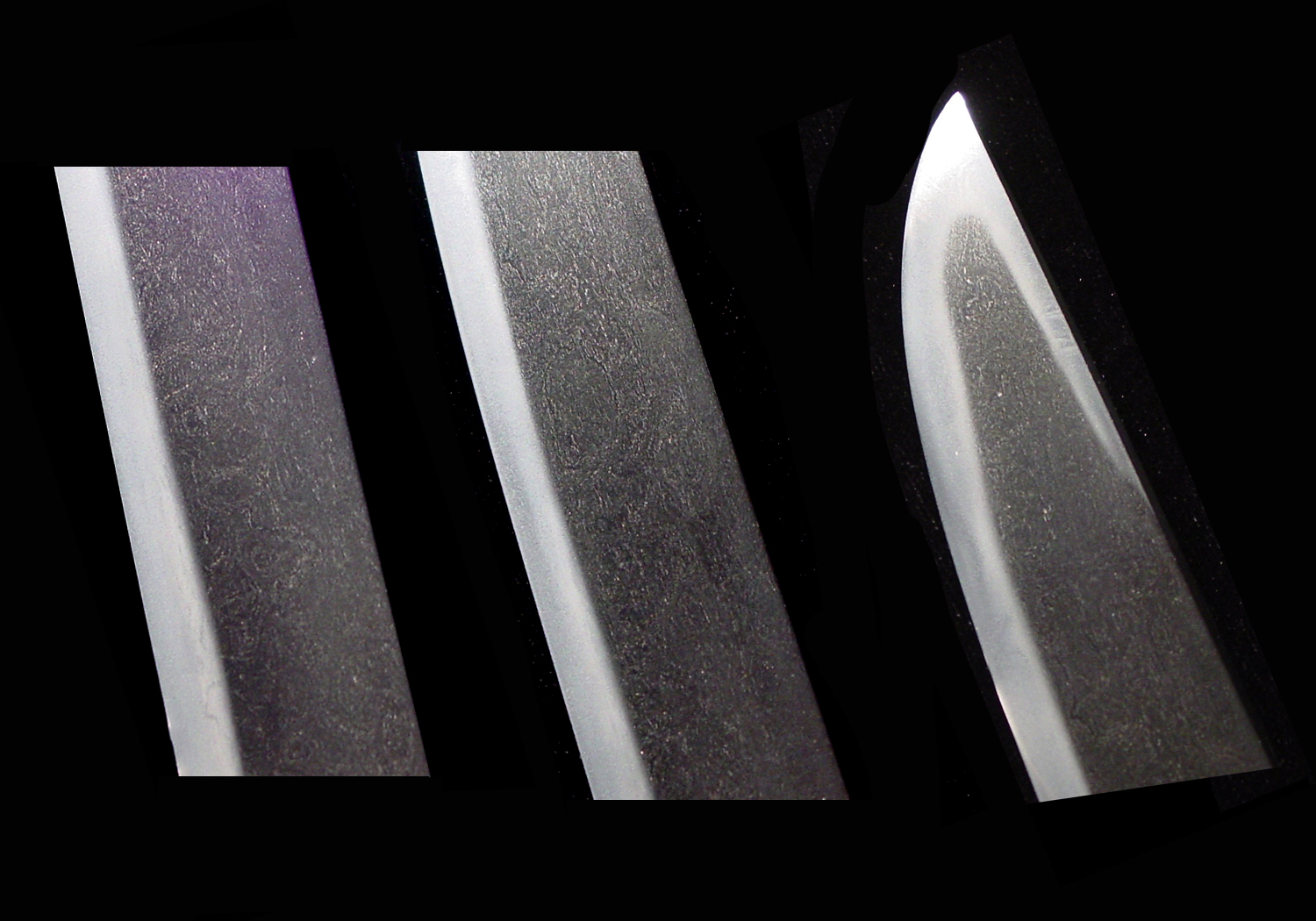
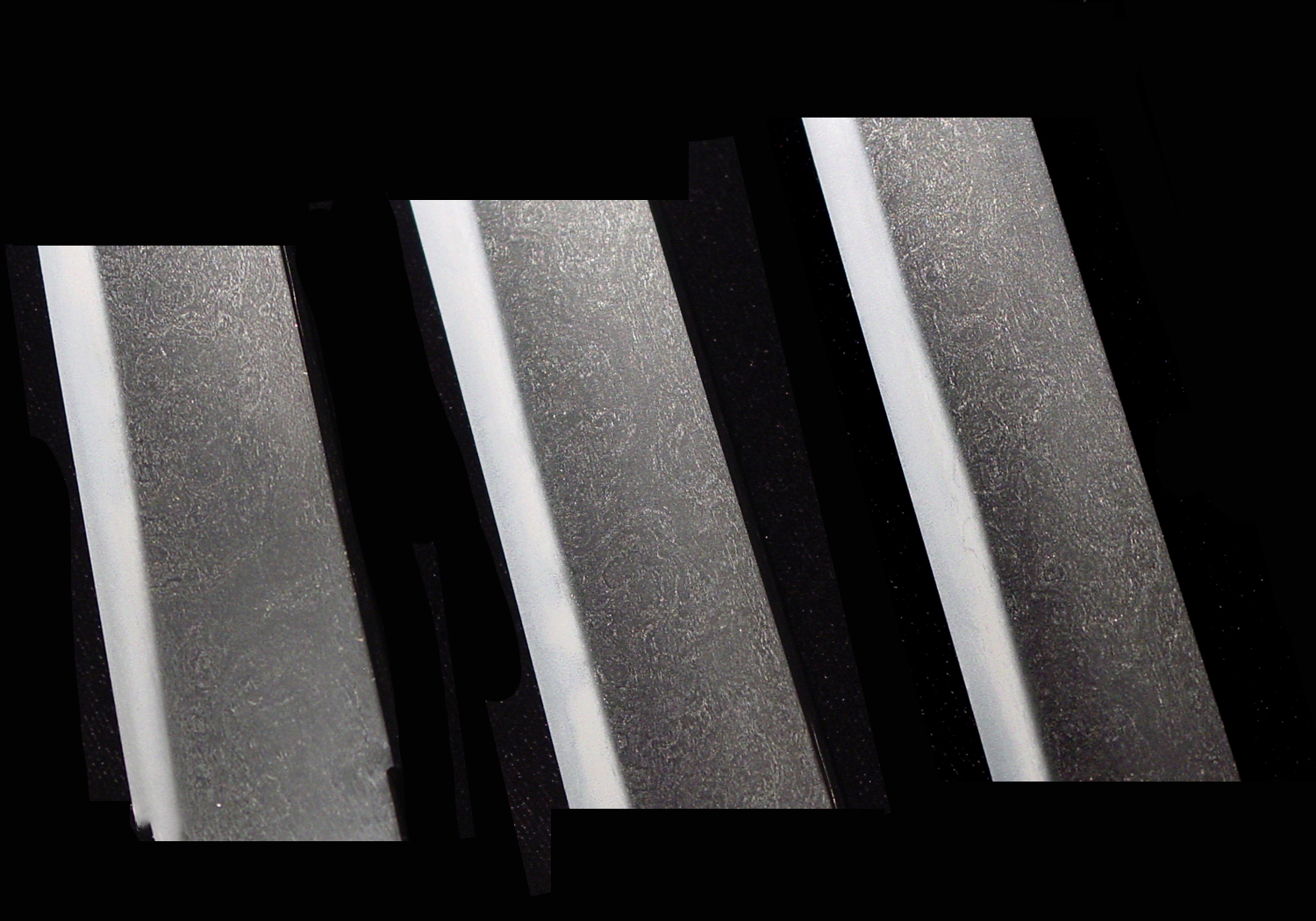
Although the overall dimensions are somewhat reduced as compared to tantô from the earlier Nanbokuchô period, this tantô from the late Nanbokuchô era is still a wide blade measuring 1.12 inches or 2.84 cm at the moto-haba (base) and 0.870 inches or 2.21 cm at the saki-haba (width at the kissaki). It is also relatively thin, as it should be, with a thickness of 0.25 inches or 0.64 cm. The jigane is somewhat dark which is appropriate for blades from the northern area of Echigo province. The kitae (grain formation) is a really gorgeous itame mixed with areas of o-mokume with areas of ji-nie. The overall condition of the jigane is unbelievable for a blade of this age. There are no lamination separations. In the spirit of full disclosure, however, I should point out that there is one tiny pin hole in the surface of the jigane. It is very difficult to see and did not show up in the photos. This means nothing on a blade of this age and it does not detract from the overall beauty, and excellent condition of this 700+ year old blade.
The hamon is a shallow notare-midare with areas of peaked gunome all done on a suguha (straight-grain) pattern. Activities within the hamon are profuse nie throughout forming small areas of ni-juba here and there. The hamon continues into the bôshi in a ko-maru shape with the nie habuchi continuing back down the mune for about 2 inches or 5 cm. The ko-nie of the turn-back spills over into the jihada along the mune. Outstanding!
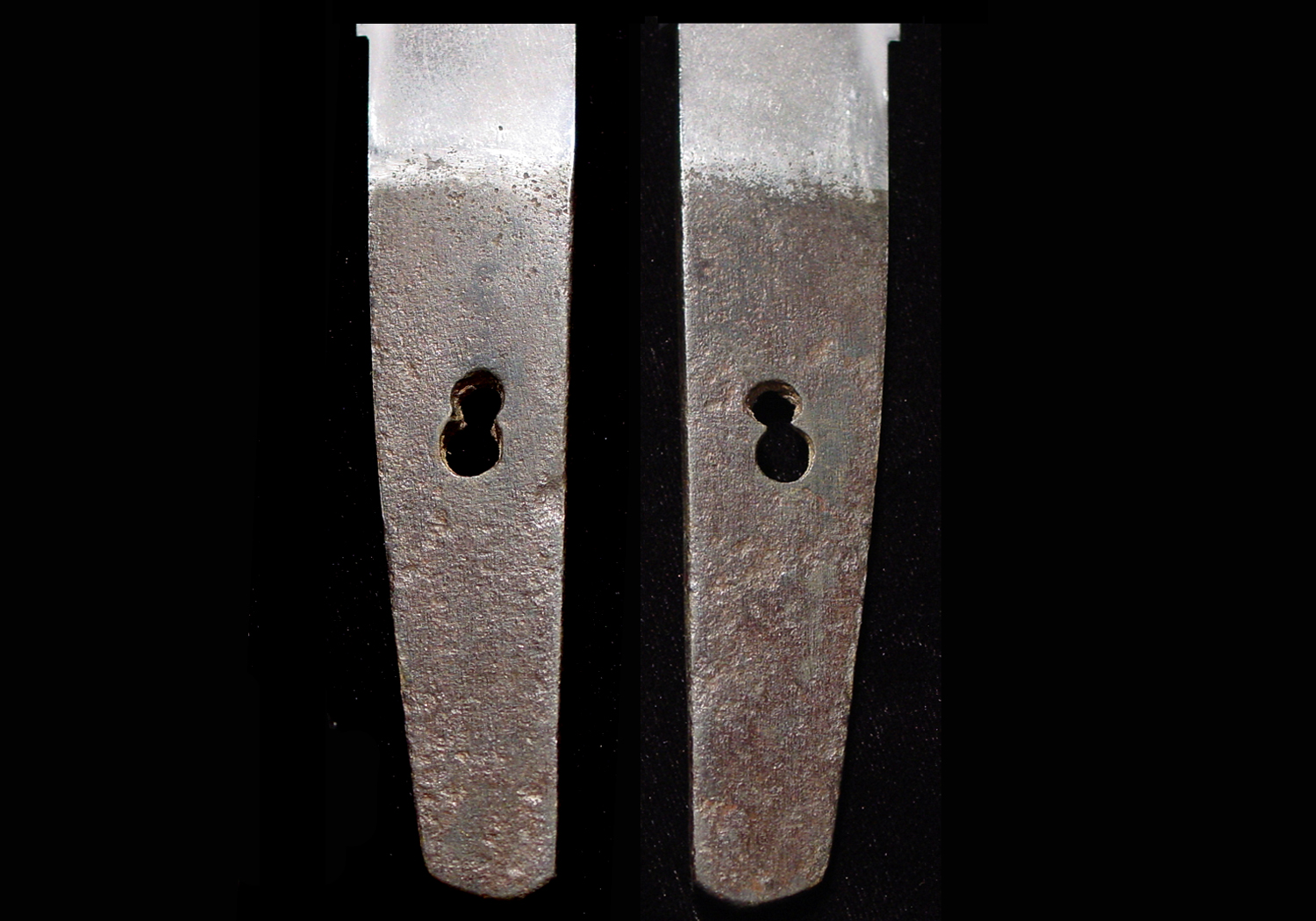
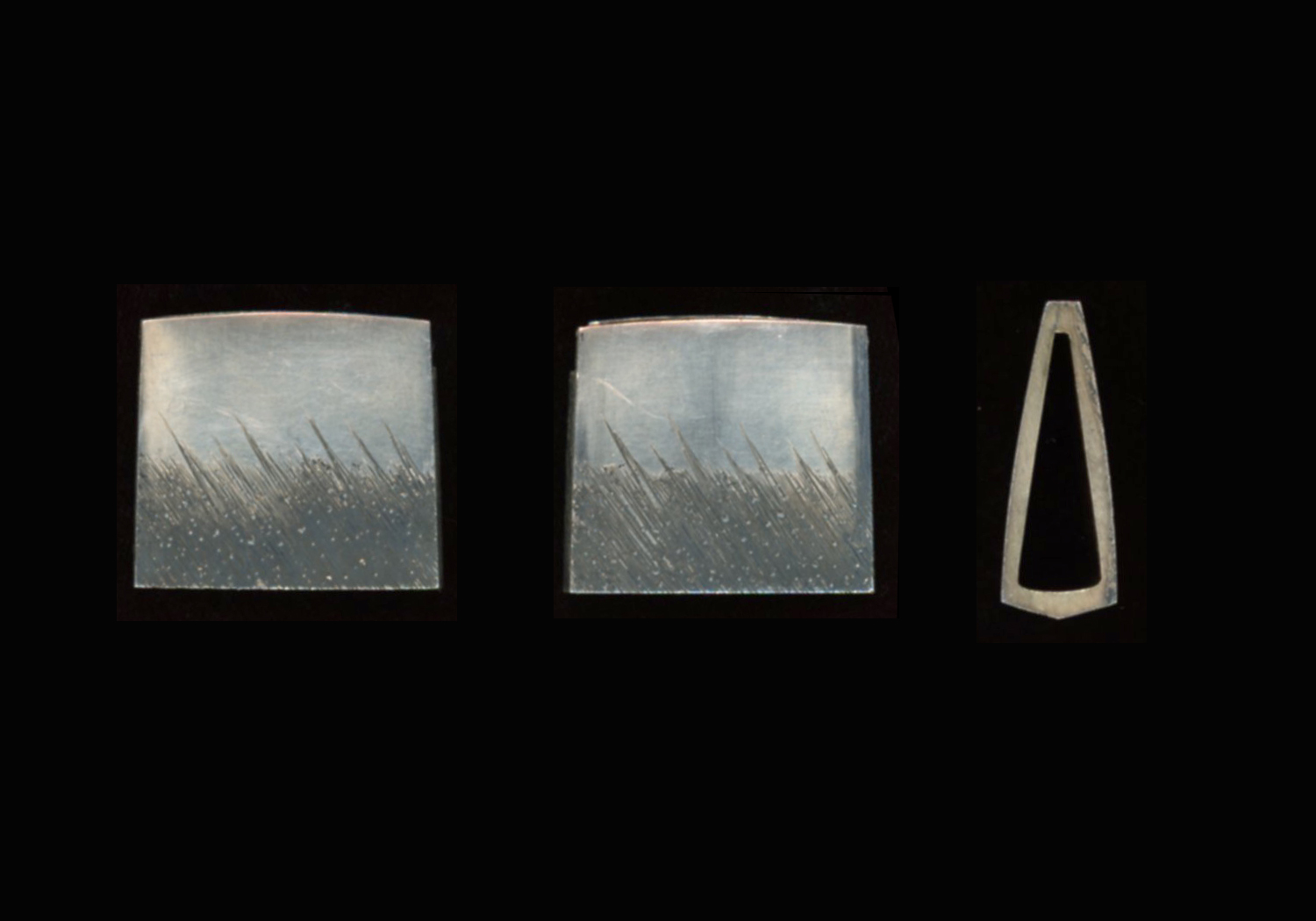
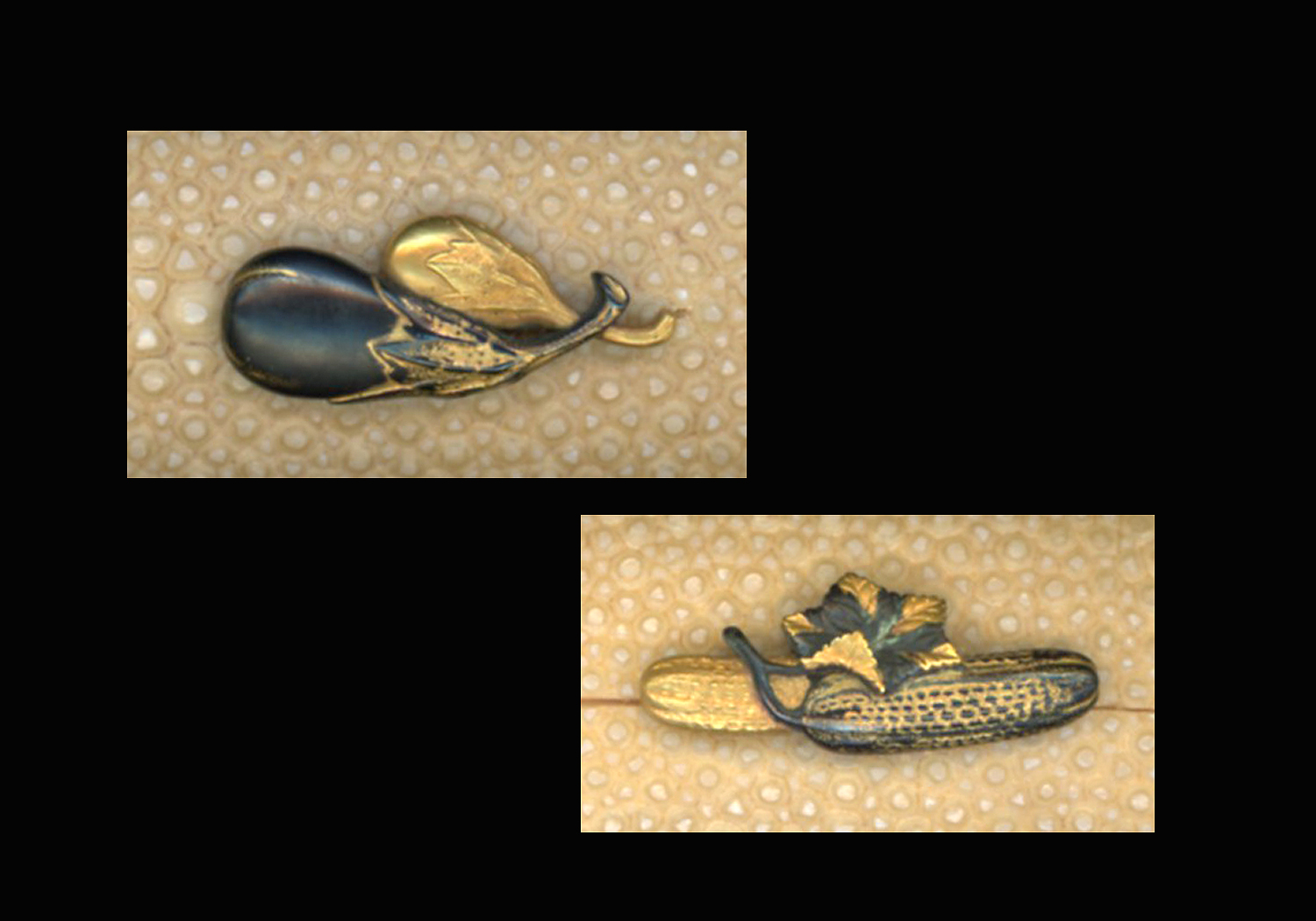
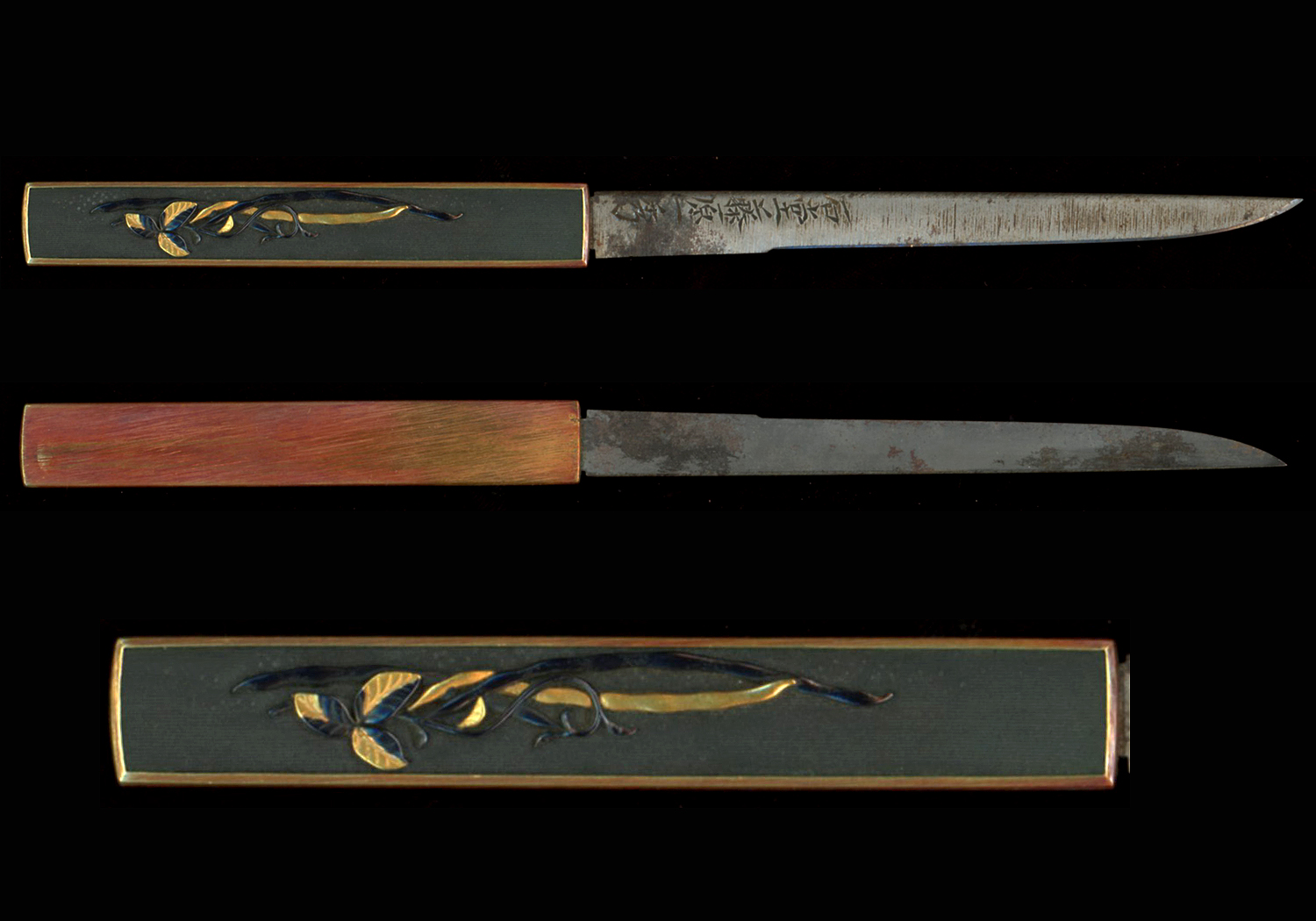
The nakago is ubu and unsigned. There are two closely placed mekugi-ana as you can see in the photos below. This tantô comes with a solid silver habaki in a shirasaya with a very attractive set of tantô koshirae as pictured below. It also comes with NBTHK Tokubetsu Hozon papers attesting to the attribution, quality, and condition of the blade.
SOLD






KOSHIRAE


This is a text block. Click the edit button to change this text.